Whole and Wild: Why Grinding Your Own Spices Is the Flavor Upgrade Your Kitchen Has Been Waiting For
Let's be honest about something: that jar of pre-ground cumin sitting in the back of your spice cabinet has probably been there since the last election cycle. And it's not just you — most American home cooks have been quietly tolerating flat, dusty seasoning for years because, well, convenience won. But something is shifting. A growing wave of home cooks across the country is ditching pre-ground and reaching for whole spices, a modest countertop grinder, and the kind of flavor that actually makes you stop mid-bite.
This isn't a trend driven by food snobs. It's being driven by curious, hungry people who took one sniff of freshly cracked cardamom and never looked back.
What Happens to a Spice After It's Ground
Here's the science, and it's worth understanding because it changes how you think about every jar on your shelf.
Whole spices are essentially sealed flavor vaults. Their aromatic compounds — the volatile oils that give cumin its earthiness, coriander its citrusy warmth, or black pepper its sharp bite — are locked inside the seed, bark, or pod until you crack them open. The moment a spice is ground, those oils begin to oxidize and evaporate. Fast.
Studies on spice chemistry consistently show that ground spices lose a significant portion of their aromatic potency within weeks of grinding, especially when exposed to light, heat, or air — which is basically the story of every spice rack in America. By the time that pre-ground paprika makes it from a processing facility to a distributor, to a store shelf, to your pantry, you could be working with something that's lost a meaningful chunk of its flavor complexity.
Freshly ground spices, on the other hand, hit differently. The oils are intact. The aroma is sharp and alive. And that directly translates to depth in your finished dish.
The Grinder Situation Is More Accessible Than You Think
One reason people hesitated for years was the assumption that grinding your own spices required some kind of specialty equipment with a specialty price tag. That's simply not the case anymore.
A dedicated blade coffee grinder — kept strictly for spices — runs anywhere from $15 to $25 at most big box stores. It's not the most precise tool, but for everyday spices like cumin, coriander, fennel, and dried chiles, it does the job beautifully. Clean it between uses with a piece of dry bread or a quick wipe-down, and it's ready to go.
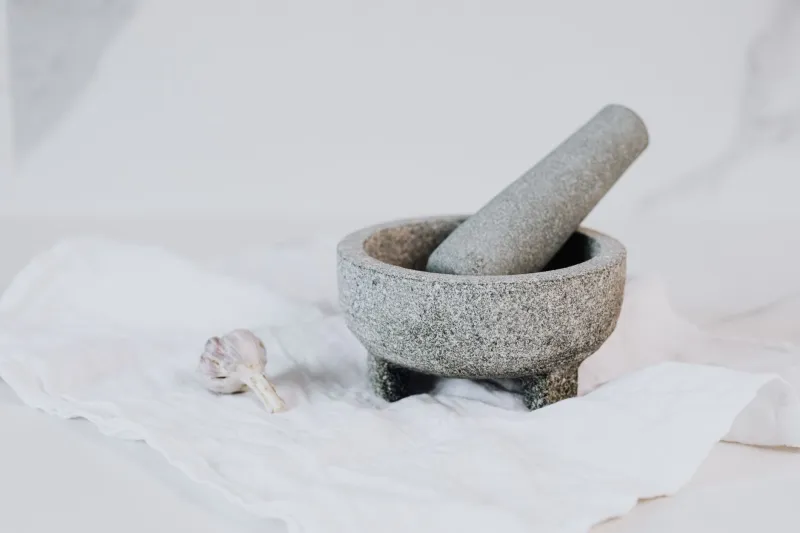
If you want to step up, a burr grinder gives you more even particle sizes, which matters for spice blends where consistency affects how flavors meld together. And then there's the mortar and pestle — ancient, low-tech, and genuinely excellent for small quantities of things like whole peppercorns, dried herbs, or spice pastes. Many cooks who've gone deep into global cooking keep both a grinder and a mortar on the counter at all times.
The point is: entry is cheap. And the return on that investment, in terms of flavor, is immediate.
So Which Spices Are Actually Worth Grinding Fresh?
Not everything needs the whole-spice treatment. Let's be practical about this.
Absolutely worth grinding fresh:
- Cumin — The difference between fresh-ground and pre-ground cumin is almost alarming. Whole seeds, toasted briefly in a dry pan and then ground, deliver a warm, nutty depth that pre-ground simply cannot match.
- Coriander — Floral, citrusy, and complex when freshly ground. Pre-ground tends to taste dusty and one-dimensional.
- Cardamom — The pods protect the seeds until the moment you need them. Buy green cardamom pods, crack them open, and grind the seeds. The aroma alone will convince you.
- Black pepper — This one is non-negotiable for many serious cooks. A pepper mill on the table is a start, but freshly cracking whole peppercorns into a dish while cooking is a different experience entirely.
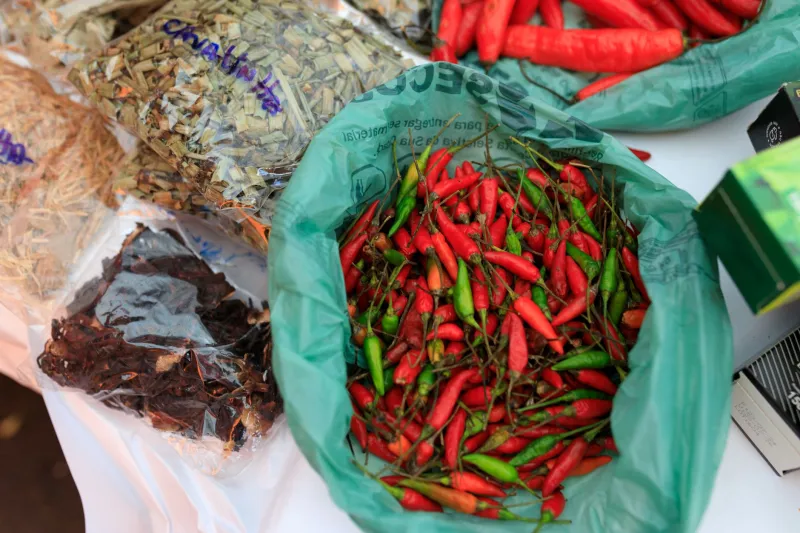
- Dried chiles — Toasting and grinding whole dried chiles like anchos, guajillos, or chipotles unlocks a layered complexity that no pre-ground chile powder can replicate.
- Cloves, star anise, and whole cinnamon — These are workhorses of global cooking, from Chinese five-spice to Indian garam masala. Grinding them fresh means your spice blends taste like they're supposed to taste.
Fine to keep pre-ground:
- Turmeric — The rhizome is difficult to grind at home without a high-powered machine. Pre-ground is perfectly acceptable here.
- Ginger (dried) — Same story. Fresh ginger is a different ingredient entirely; dried ground ginger is a baking staple that's fine from a jar.
- Smoked paprika — The smoking process is the flavor here, not the freshness of the grind. Pre-ground is fine.
- Cayenne — Mostly about heat level rather than nuanced aroma. Pre-ground works.
The Global Flavor Connection
Here's what makes this movement feel particularly meaningful: grinding your own spices is actually how most of the world's great cuisines have always operated. Walk through a market in Marrakech, Chennai, or Oaxaca, and you'll find vendors selling whole spices by the scoop, with the expectation that they'll be ground fresh at home or to order.
When American home cooks pick up that practice — even in a modest way, with a $20 coffee grinder on a Tuesday night — they're connecting to something much older and more universal than the spice aisle at the grocery store. They're cooking the way food has always been cooked when people actually cared about flavor.
And that's really what this is about. Not perfection. Not gatekeeping. Just a genuine commitment to tasting the world as fully as possible, one freshly cracked spice at a time.
Getting Started Without Overthinking It
If this is new territory for you, start simple. Buy a small bag of whole cumin seeds. Toast a teaspoon of them in a dry skillet over medium heat for about 90 seconds, until they smell incredible. Grind them in whatever you have — a cheap blade grinder, a mortar and pestle, even the bottom of a heavy pan in a pinch. Use them in your next batch of tacos, roasted vegetables, or lentil soup.
Then compare it to the jar you've been using. That comparison will tell you everything you need to know.