Why the Same Recipe Tastes Different Depending on Where You Live (Your Water Is the Culprit)
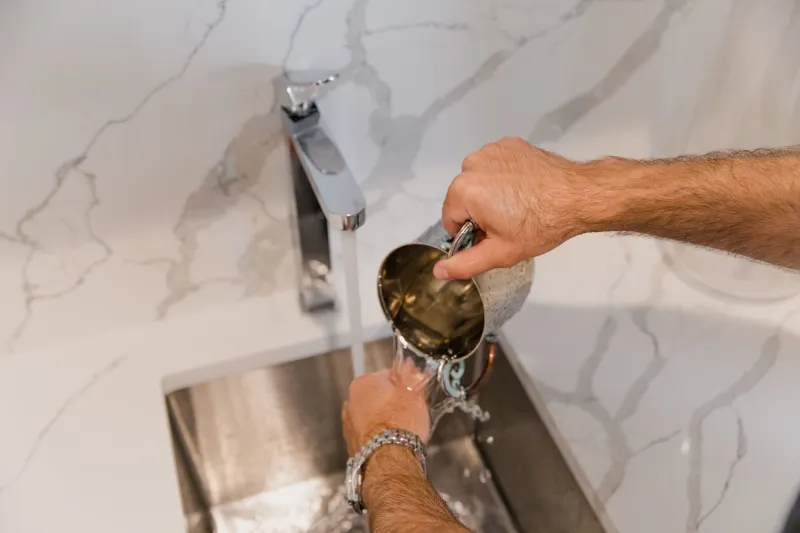
You followed the recipe exactly. Same brand of flour, same spices, same everything. But somehow it just doesn't taste right. Maybe it tastes flat. Maybe the texture is off. Maybe your bread didn't rise the way it should have. You've probably blamed your oven, your altitude, your technique — but there's one ingredient you've almost certainly overlooked, and it flows freely from your kitchen faucet every single day.
Water. That's it. That's the secret ingredient nobody talks about.
And before you roll your eyes and click away, hear us out — because once you understand what's actually in your tap water and how it interacts with food, a lot of culinary mysteries start making a whole lot of sense.
What's Actually in Your Water (Besides, You Know, Water)
Tap water is never just H₂O. Depending on where you live in the United States, your water carries a completely different chemical fingerprint. The two biggest factors that affect cooking are mineral content (measured as "hardness" or "softness") and pH level (how acidic or alkaline the water is).
Hard water — common in places like Phoenix, Las Vegas, Dallas, and much of the Midwest — is loaded with calcium and magnesium. Soft water, which you'll find more often in the Pacific Northwest, New England, and parts of the Southeast, has far fewer dissolved minerals.
Then there's pH. Most municipal water sits somewhere between 6.5 and 8.5, but even small shifts within that range can have real, noticeable effects on your cooking. Alkaline water (higher pH) can dull certain flavors and affect the color of vegetables. Acidic water (lower pH) can interact with proteins and starches in ways that change texture.
Chlorine and chloramine — added to municipal water for safety — also play a role, particularly in fermentation, bread baking, and anything where you're cultivating or relying on live cultures.
The Pasta Problem (and Why New York Pizza Is Actually a Thing)
You've probably heard New Yorkers swear up and down that their pizza and bagels are better because of the water. For a long time, that sounded like civic pride masquerading as food science. But there's actually something to it.
New York City's water supply comes primarily from the Catskill and Delaware watersheds, producing water that's exceptionally soft and slightly acidic. That mineral profile affects gluten development in dough. Soft water produces a more extensible, pliable dough — which contributes to that chewy-but-foldable texture New York pizza is known for.
In contrast, if you're making the same dough in Phoenix or Denver, where water is significantly harder, the calcium ions in the water actually strengthen gluten networks, producing a stiffer, less pliable dough. Not necessarily worse — just different. And if you're trying to replicate a specific regional style, that difference matters.
Same goes for pasta. Italian cooks have long known that pasta cooked in soft water absorbs sauce differently than pasta cooked in mineral-heavy water. The starch release — that silky, slightly cloudy pasta water that good cooks always reserve — behaves differently based on what else is dissolved in the pot.
Tea, Coffee, and the Flavor You're Actually Tasting
Ask any serious tea drinker about water and they'll talk your ear off. The mineral content of water dramatically affects how compounds in tea and coffee extract and express themselves in the cup.
Hard water, with its high calcium and magnesium levels, tends to suppress the extraction of certain flavor compounds in tea — especially the more delicate, floral, and grassy notes that make a good green or white tea sing. It also reacts with tannins to create that film you sometimes see floating on top of a cup of black tea. Soft water extracts more freely and evenly, which is why the same Earl Grey can taste bright and nuanced in Seattle and flat or bitter in Scottsdale.
This is also why chai made in India — specifically in cities like Mumbai or Kolkata — tastes different from chai made in an American kitchen with the same masala. Indian water chemistry varies enormously by region, but in many areas, the mineral content interacts with milk proteins and tea tannins in a way that produces a richer, more integrated flavor. It's not magic. It's minerals.
Beans, Bread, and the pH Factor
If you cook a lot of dried beans, water hardness is probably working against you without you even knowing it. Calcium and magnesium ions bind to the pectin in bean cell walls, making them firmer and significantly increasing cooking time. This is why beans cooked in hard water can stay stubbornly chewy even after hours on the stove — and why adding a pinch of baking soda (which softens the water by raising pH and precipitating out some minerals) is a trick that actually works.
Bread baking is another area where pH matters. Yeast activity is sensitive to acidity. Slightly acidic water tends to support more vigorous yeast fermentation, while alkaline water can slow things down. If your sourdough isn't rising the way it should, or your active dry yeast seems sluggish, your water's pH could be a contributing factor — especially if you're also using chlorinated tap water, which can inhibit yeast activity.
How to Figure Out What's Coming Out of Your Tap
The good news: you don't need a chemistry degree to get a handle on your water. Here's where to start.
Check your local water quality report. The EPA requires municipal water suppliers to publish an annual Consumer Confidence Report (CCR). Just search your city's name plus "water quality report" and you'll find your local hardness levels, pH, and mineral content. It's free and surprisingly readable.
Use a basic water testing kit. You can pick these up at most hardware stores or on Amazon for under $20. They'll give you a quick read on hardness and pH, which is enough to start making informed adjustments.
Consider filtered water for specific applications. A basic activated carbon filter (like a Brita) will remove chlorine and chloramine, which is a meaningful improvement for bread baking and fermentation. It won't change your mineral content significantly, though. For that, you'd need a reverse osmosis system — or simply buy filtered or spring water for recipes where water chemistry really matters.
Practical Adjustments You Can Make Right Now
Once you know what you're working with, you can start cooking smarter.
- Hard water + beans: Add ¼ teaspoon of baking soda per pound of dried beans to soften the water and speed up cooking. Or soak overnight in filtered water.
- Hard water + bread: Use bottled spring water, or let tap water sit uncovered overnight to allow some chlorine to off-gas before using it for sourdough starters.
- Soft water + pasta dough: You may need slightly less water than the recipe calls for, since soft water hydrates flour more efficiently.
- Hard water + tea/coffee: Try filtered or softened water and notice how much more nuanced your cup becomes.
- Alkaline water + green vegetables: Blanching green veggies in slightly alkaline water actually helps preserve their color — so that's one case where hard water works in your favor.
The Bigger Picture
Here's the thing about water: it's the most universal cooking ingredient on the planet, and it's the one we think about the least. Every culture that has developed a distinct culinary tradition has done so in the context of its local water supply. The rice dishes of Southeast Asia, the noodle soups of East Asia, the stews of the Mediterranean — all of them evolved in relationship to the water available in those places.
When you move a recipe across the world and it doesn't quite taste the same, water is part of the story. Not all of it — technique, ingredients, and context matter enormously. But water is the invisible variable that home cooks almost never account for.
So next time a dish falls flat despite your best efforts, before you reach for more salt or another spice, maybe just... check your water. It might be telling you something.