Your Spice Cabinet Has a Colonial Past — Here's What That Actually Means for How You Cook
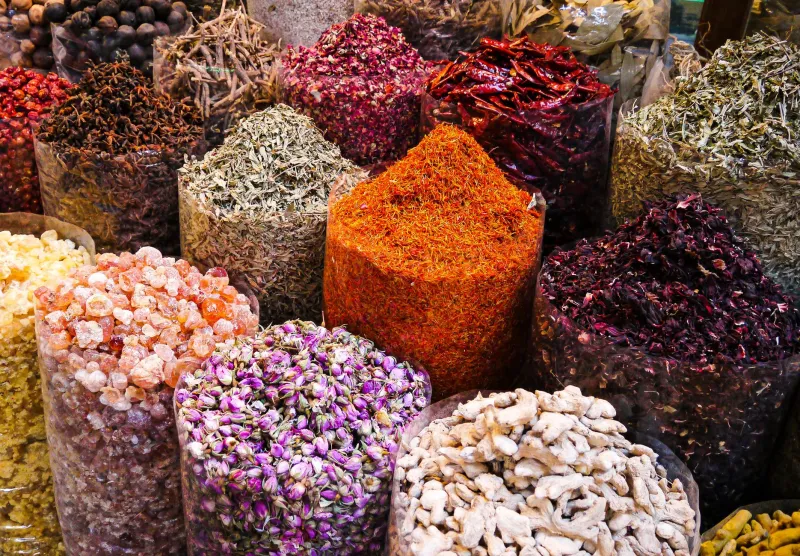
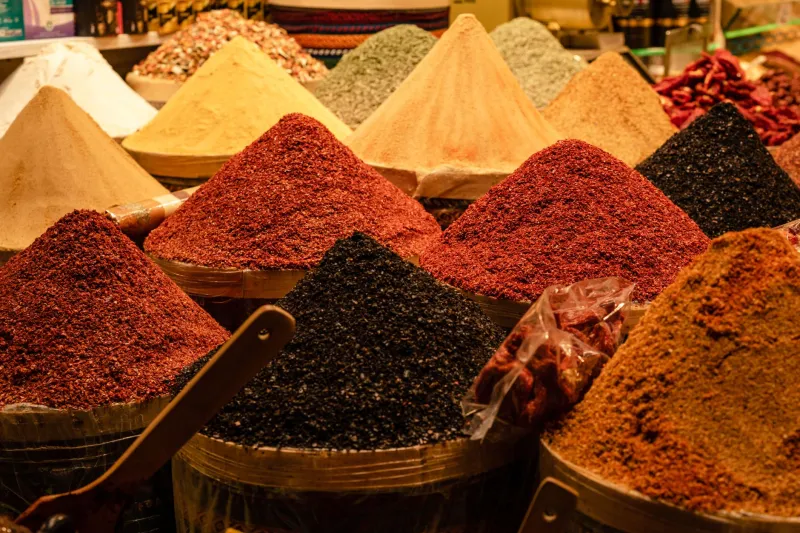
Open your spice drawer right now. Go ahead — we'll wait.
There's probably black pepper in there. Maybe some cinnamon, a jar of cloves, perhaps a little tin of nutmeg you bought for last year's holiday baking and haven't touched since. These are the wallpaper of American cooking — so familiar, so cheap, so everywhere that we rarely stop to ask how they got here. Or what it cost to make them this accessible.
The answer, it turns out, is complicated. And a little uncomfortable. And honestly? Worth knowing if you care about food as more than just fuel.
The Original Supply Chain Was Built on Violence
Long before anyone was worrying about food miles or ethical sourcing, the spice trade was the defining economic engine of the world. For centuries, black pepper, nutmeg, cloves, and cinnamon were worth more by weight than gold in parts of Europe. Portuguese, Dutch, Spanish, and British colonial powers didn't just trade for these spices — they seized the land that produced them, enslaved or coerced the people who grew them, and systematically dismantled local economies to control the supply.
The Banda Islands in present-day Indonesia were essentially wiped out by Dutch forces in the 17th century over nutmeg. The entire indigenous population was killed or displaced so the Dutch East India Company could monopolize the crop. That's not ancient mythology — it's documented history, and it permanently shaped the demographic and agricultural landscape of that region.
Cinnamon? The Dutch held a stranglehold on Ceylon (now Sri Lanka) for over 150 years, forcing local workers into brutal harvesting quotas. Black pepper cultivation in India's Malabar Coast was central to why the Portuguese wanted a sea route to Asia in the first place — and what followed that arrival was centuries of colonial extraction.
None of this is a detour from food history. This is food history.
So Why Does Any of This Matter When You're Just Making Tuesday Dinner?
Here's the thing: the structures that were built during the colonial spice trade didn't just evaporate when empires officially ended. They shape the market you shop in today in ways that are surprisingly direct.
Take pricing. Many of the world's most-used spices are still primarily grown in countries that were once colonial territories — Vietnam, Indonesia, India, Sri Lanka, Madagascar, Guatemala. The farmers and workers in these regions often earn a tiny fraction of what a jar of their crop sells for on a shelf in an American grocery store. A pound of vanilla beans might fetch a laborer in Madagascar a few dollars; that same pound, processed and packaged, retails in the US for anywhere from $30 to $80 or more depending on the brand and grade.
The middlemen, the processing facilities, the branding, the distribution networks — these tend to be controlled by companies headquartered far from where the spice actually grows. That's not an accident. It's a legacy.
The 'Exotic' Label Is Doing a Lot of Work
There's another layer here that's worth sitting with: the way Western food culture — including American food culture — has historically framed spices from the Global South as exotic or adventurous while simultaneously keeping the people who come from those culinary traditions at arm's length.
Turmeric is a perfect case study. For generations, South Asian communities in the US used turmeric in their cooking and were sometimes made to feel self-conscious about the smell, the stains, the otherness of it. Then wellness culture discovered turmeric lattes, and suddenly it was a superfood. The spice got a rebrand. The communities who'd been cooking with it for centuries? Their expertise was rarely centered in that conversation.
This pattern — extract the ingredient, strip the context, profit from the trend — shows up again and again. Za'atar, berbere, sumac, annatto. Each one has a rich cultural story, and each one has at some point been picked up, renamed, or repackaged in ways that sideline its origins.
That doesn't mean you shouldn't cook with these ingredients. Quite the opposite. But it does mean there's a difference between appreciating a spice tradition and just raiding it for content.
What Conscious Cooking Actually Looks Like
None of this is about guilt-tripping yourself every time you reach for the paprika. Food is one of the most joyful, connecting forces in human life — that's literally why this site exists. But curiosity and care can coexist with pleasure, and there are real, practical ways to engage with spices more thoughtfully.
Buy from brands that pay fairly. A growing number of spice companies — Diaspora Co., Burlap & Barrel, and Curio Spice Co. among them — have built their entire model around direct relationships with farmers and transparent pricing. Yes, they cost more. The price difference is largely the gap between what the farmer actually earns and what they'd earn in a conventional supply chain.
Shop at stores rooted in the communities these spices come from. Your local South Asian grocery, your neighborhood Mexican market, the African food store a few miles out of your way — these businesses are often owned by people with genuine cultural ties to the ingredients they sell. Your dollars go somewhere different there than they do at a big-box retailer.
Learn the story, not just the recipe. When you're excited about a new spice or blend, spend ten minutes learning where it's actually from. Not the romanticized marketing-copy version — the real geography, the real history, the real people. It makes the cooking better, honestly. Flavor lands differently when you understand what you're tasting.
Give credit where it's due. If you're posting a recipe, talking about food with friends, or recommending something to your neighbor — say where it's from. "This is a West African spice blend" or "this technique is from Oaxacan cooking" isn't just accurate. It's respect.
The Swaad Is in the Story
Swaad — the Hindi and Urdu word for taste, flavor, the pleasure of eating — isn't just about what hits your tongue. It's about the whole experience: the context, the memory, the meaning behind what's on the plate.
When you understand that your black pepper took a centuries-long, often brutal journey to get to your kitchen, it doesn't make dinner less delicious. It makes the act of cooking a little more intentional. A little more connected to the wider world.
And that, genuinely, is what tasting the world one recipe at a time is supposed to feel like.
The spice trade never really ended. It just got better packaging. How you engage with it — who you buy from, whose stories you tell, whose labor you acknowledge — is still a choice you get to make every single time you cook.