You've Got Umami. Now What? Why Your 'Flavorful' Dishes Still Taste Flat
The Flavor Win That Becomes a Flavor Wall
Let's say you've done everything right. You added a splash of soy sauce. Maybe a dash of fish sauce. Perhaps you're one of the newly converted MSG believers shaking a little into your pasta water. Your dish smells incredible, and when you take that first bite — it's flavorful. Deeply so. But then something strange happens: the second bite tastes exactly like the first. And the third. By the end of the bowl, you're full but weirdly unsatisfied, like you watched a movie with one really good scene repeated twelve times.
Welcome to what we're calling the umami trap.
It's not that umami is bad — far from it. That savory, mouth-coating richness is genuinely one of the great pleasures of eating. But as umami-forward ingredients have moved from specialty Asian grocery stores into mainstream American pantries (and onto the shelves of every Trader Joe's and Whole Foods in the country), a lot of home cooks have started treating umami like a magic fix-all. The result? Dishes that are bold but one-dimensional. Loud but monotonous. Flavorful in theory, flat in practice.
The good news: cuisines around the world have been solving this exact problem for centuries. And once you understand the fix, you can't un-see it.
Why Umami Alone Hits a Ceiling
Here's the thing about your taste buds — they're not just looking for intensity. They're looking for contrast. The five basic tastes (sweet, salty, sour, bitter, and umami) don't just coexist on your palate; they interact, amplify, and check each other. When one dominates without any counterbalance, your brain essentially stops registering it. It's the flavor equivalent of turning up only the bass on your speakers until the music sounds like a rumble.
Umami, specifically, tends to create a heavy, lingering sensation. That's what makes it so satisfying in small doses — but when it's the only thing going on in a dish, that heaviness becomes a kind of numbness. The dish feels rich but not interesting. Filling but not exciting.
This is the umami ceiling, and it's more common than you'd think in American home kitchens right now.
What Cuisines That Got It Right Actually Do
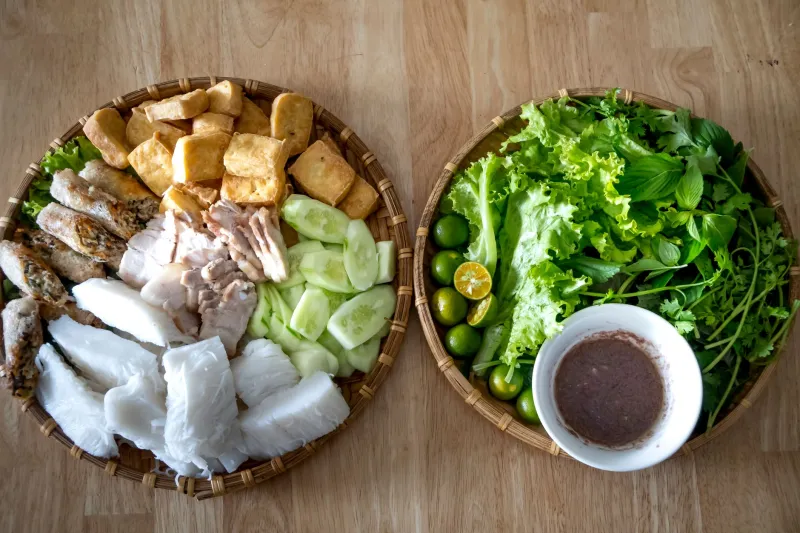
Spend any time eating your way through Southeast Asian food — Vietnamese, Thai, Filipino — and you'll notice something almost immediately: nothing sits still on your tongue. A bowl of Vietnamese bún bò Huế hits you with a deeply savory broth, but there's also brightness from a squeeze of lime, heat from chili, and a slight bitterness from fresh herbs like rau răm. The fish sauce isn't the star — it's part of an ensemble.
Thai cooking takes this even further. The foundational philosophy of Thai cuisine is essentially a masterclass in flavor balancing: sour (lime, tamarind), sweet (palm sugar), salty (fish sauce), spicy (chili), and aromatic (lemongrass, galangal, kaffir lime leaves) all in deliberate conversation with each other. Remove any one element and the dish collapses. The fish sauce isn't doing the heavy lifting alone — it's the rhythm section, not the lead singer.
Japanese cuisine offers another model. Dashi — the foundational umami-rich stock made from kombu and bonito flakes — is intentionally light and clean. It provides a savory backbone without overwhelming, leaving room for the delicate flavors of miso, the brightness of yuzu, or the subtle bitterness of chrysanthemum greens to come through.
Even in West African cooking, you'll find this balance at work. Egusi soup builds umami through fermented locust beans (dawadawa) and dried fish, but it's grounded by the bitterness of leafy greens, the acidity of tomatoes, and a slow-cooked sweetness from palm oil and onions. Every layer has a purpose.
The Practical Fix: Think in Dimensions, Not Ingredients
So how do you break out of the umami trap in your own kitchen? Start by auditing your dishes before they hit the table. Ask yourself: where's the acid? Where's the bitterness? Is there anything fresh cutting through the richness?
Add acid late and often. A squeeze of lemon or lime, a splash of rice vinegar, or even a spoonful of tamarind paste right before serving can lift an entire dish. Acid doesn't just add sourness — it makes other flavors snap into focus. If your soy-braised chicken feels murky, try finishing it with a little rice wine vinegar. You'll be surprised how much it wakes everything up.
Embrace bitterness. This is the most underused flavor dimension in American home cooking. Bitter greens (radicchio, dandelion, broccoli rabe), charred vegetables, coffee or dark chocolate in braises — these all provide contrast that makes umami-rich dishes feel complete rather than cloying. A miso-glazed eggplant with a side of lightly bitter sautéed rapini is a completely different (and better) experience than the same eggplant with roasted zucchini.
Use sweetness as a bridge, not a crutch. A small amount of sugar, honey, or mirin can smooth out the interaction between salty-umami and sour notes without making a dish taste sweet. Filipino adobo does this beautifully — the balance of vinegar, soy sauce, and a touch of sugar creates something that tastes savory but never flat.
Layer your umami sources differently. Instead of doubling down on soy sauce, try combining different umami carriers that each bring their own character. Parmesan rind in a braise, a spoonful of white miso in a salad dressing, a small piece of dried kombu in your beans — these all add depth without stacking the same flavor note on top of itself.
Freshness Is the Secret Weapon You're Probably Skipping
One of the simplest ways to break through the umami ceiling is also the easiest to overlook: fresh elements added at the end. Raw herbs, fresh citrus zest, thinly sliced scallions, a handful of bean sprouts — these aren't just garnishes. They're textural and aromatic resets that give your palate something new to engage with after the richness of the main dish.
Vietnamese food does this with almost every dish. The plate of fresh herbs, lime wedges, and sprouts that comes alongside your pho isn't optional — it's structural. It's how the dish stays interesting from the first spoonful to the last.
The Takeaway: Umami Is a Tool, Not a Destination
None of this is an argument against soy sauce, fish sauce, MSG, or any of the other umami-rich ingredients that have rightfully earned a permanent spot in American pantries. These are genuinely great ingredients, and their rise in home kitchens is something worth celebrating.
But great cooking — the kind that keeps you coming back for another bite, that feels alive and interesting all the way through — has always been about balance. The cuisines that have been doing this the longest didn't stumble onto it by accident. They built entire flavor philosophies around the idea that no single taste should dominate without a conversation partner.
So the next time you reach for that bottle of soy sauce, go ahead and use it. Then ask yourself what else is on the table. Because the swaad — the real flavor — is in the whole picture, not just one very loud brushstroke.