What Chefs Know That They're Not Telling You (And How Home Cooks Are Finally Figuring It Out)
You've followed the recipe exactly. Same cut of chicken, same herbs, same cooking time. And yet — something is missing. The dish is fine. Maybe even good. But it doesn't taste like the version at that Thai place around the corner or your go-to Italian spot downtown. You know the one.
Here's the uncomfortable truth: restaurant food often tastes better not because of some mystical culinary talent, but because of a short list of ingredients and habits that professional kitchens lean on hard — and almost never talk about publicly. The good news? Home cooks are increasingly reverse-engineering those secrets, and the results are genuinely changing how people cook.
The Flavor Gap Is Real — And It Has a Name
Chefs call it "depth." Food writers call it "complexity." Your brain just knows something is missing when it isn't there. What we're really talking about is the layered, almost indescribable quality that makes you want another bite before you've finished the first one.
A lot of that depth comes down to umami — the savory fifth taste — but it's not just about throwing in a parmesan rind or a splash of soy sauce (though both help). It's about understanding how flavors build on each other and which ingredients accelerate that process in ways that seem almost unfair.
Take fish sauce. It's been sitting in Southeast Asian pantries for centuries, but American home cooks have been slow to adopt it — largely because of the smell straight from the bottle. What most people don't realize is that once fish sauce hits heat, that sharp, funky edge softens into something deeply savory and almost invisible. Chefs at Thai, Vietnamese, and even fusion restaurants use it as a background note in dishes where you'd never expect it. A few dashes in a pasta sauce. A small pour into a braised short rib. It doesn't taste "fishy" — it just makes everything taste more like itself.
"I started adding fish sauce to my Bolognese after watching a cooking video online, and my husband thought I'd taken a class somewhere," says Mara T., a home cook from outside Chicago who's spent the last two years obsessively studying restaurant techniques. "He kept asking what was different. I didn't tell him for three weeks."
The Aromatics You're Probably Skipping
Another place where the restaurant-to-home gap widens: aromatics. Most recipes tell you to sauté onions and garlic. What they don't always tell you is how long, at what heat, and in what order.
Professional cooks are patient with their aromatics in a way that's hard to teach in a recipe. Onions get cooked down until they're almost jammy. Garlic goes in late enough that it doesn't burn but early enough to bloom in the fat. Ginger gets grated fresh, not chopped. Shallots replace onions when you want something more delicate. Lemongrass gets bruised before it goes into the pot.
These aren't complicated techniques. They're just slow ones — and in a culture that's optimized for speed, slowing down at the stove feels almost radical.
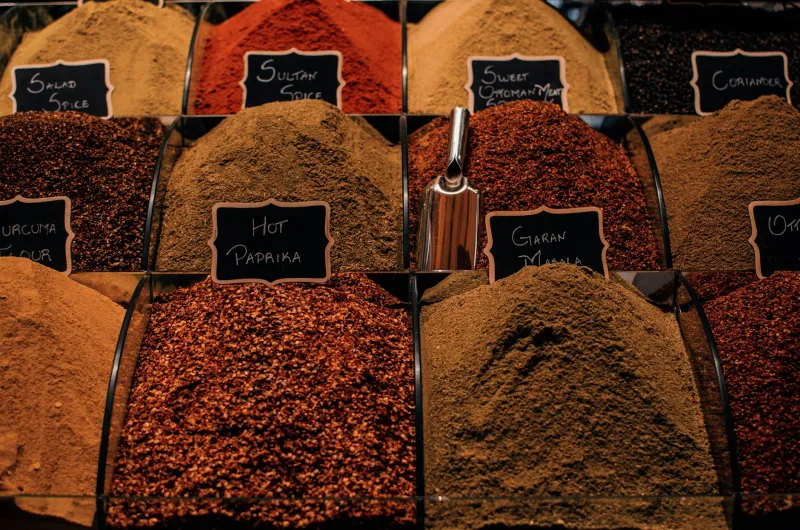
Beyond the classics, there are aromatics that most American home cooks haven't fully explored yet. Makrut lime leaves, for instance, add a floral citrus note to curries and soups that no amount of lime zest can replicate. Dried shrimp paste — used across South and Southeast Asian cuisines — adds a low, rounded savoriness that anchors a dish in ways that are hard to articulate but impossible to miss. Miso paste stirred into a salad dressing or a pan sauce introduces a fermented complexity that store-bought shortcuts just can't fake.
The Technique Hiding in Plain Sight
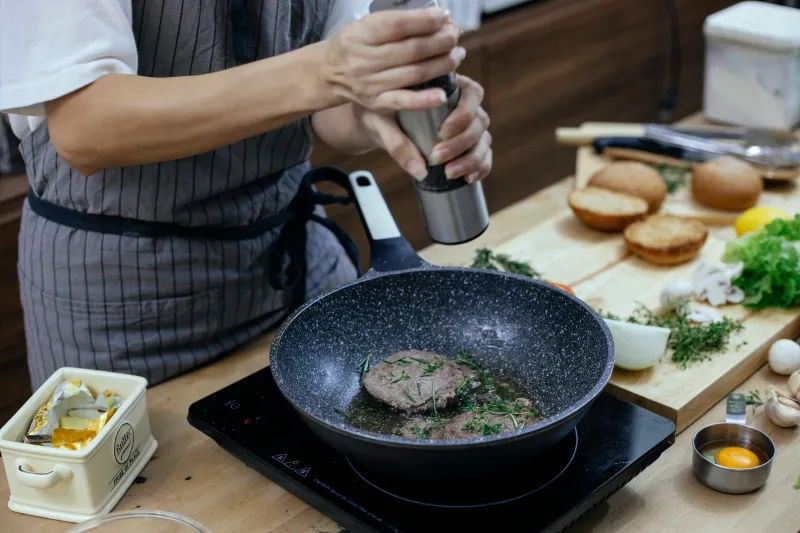
Ingredients matter, but technique might matter more. And one of the most underused techniques in home kitchens is deglazing — the simple act of adding liquid to a hot pan after searing meat or vegetables to pull up all those browned, caramelized bits stuck to the bottom.
Those bits? Chefs call it fond, and it's basically concentrated flavor waiting to be dissolved. A splash of wine, stock, even water can transform a pan sauce from thin and flat to something that tastes like it took hours. The Maillard reaction — the browning that happens when proteins and sugars hit high heat — is one of the most powerful flavor-building tools in cooking, and most home cooks leave half of it behind when they wash the pan.
"Once I understood what fond was, I couldn't believe I'd been throwing it away my whole life," says Derek R., a home cook from Austin who started cooking more seriously during the pandemic. "It literally changed the way I think about every dish I make now."
Why Understanding the 'Why' Changes Everything
There's something almost psychological about closing the flavor gap. When you understand why fish sauce works, you stop being afraid of it. When you know what fond is, you start treating your cast iron pan differently. When you realize that a pinch of sugar can balance acid and a squeeze of lemon can brighten a heavy stew, cooking starts to feel less like following instructions and more like having a conversation with your food.
This shift — from passive recipe-follower to active flavor-builder — is something that restaurant cooks develop over years of working in kitchens. But it's not gatekept knowledge. It's increasingly available to anyone curious enough to look for it, whether through food blogs, culinary YouTube rabbit holes, or just the willingness to taste as you go and ask why does this work?
The global pantry makes this even more exciting. Ingredients like gochujang, tamarind paste, sumac, white miso, and pomegranate molasses aren't exotic anymore — they're showing up in mainstream grocery stores across the country, and they each bring something to the table that Western pantry staples simply don't replicate. Every one of them represents a culinary tradition that has spent generations figuring out how to make food taste extraordinary.
Start Here If You Want to Close the Gap
If you're ready to start cooking like you actually know something, here's where to begin:
- Fish sauce: Add a small splash to any savory dish that needs more depth. Start with a teaspoon. Trust the process.
- Miso paste: Stir it into butter for a compound spread, whisk it into dressings, or dissolve it into soups at the very end of cooking.
- Whole spices, toasted: Buy cumin seeds instead of ground cumin. Toast them dry in a pan for 60 seconds. Grind them fresh. The difference will embarrass your old spice rack.
- Shallots over onions: Wherever a recipe calls for onion and you want something more nuanced, try shallots. They're sweeter, more complex, and they melt beautifully.
- Deglaze everything: After searing anything, add a quarter cup of wine, stock, or even water and scrape. That's your sauce starter.
The flavor gap between restaurant food and home cooking isn't as wide as it feels. It's mostly a knowledge gap — and that's a much easier thing to close. The best part about cooking through a global lens is that you're never short of new ingredients to discover, new techniques to borrow, or new traditions to learn from. Every dish is a puzzle, and the pieces are more available than ever.
You just have to be willing to taste the world to find them.