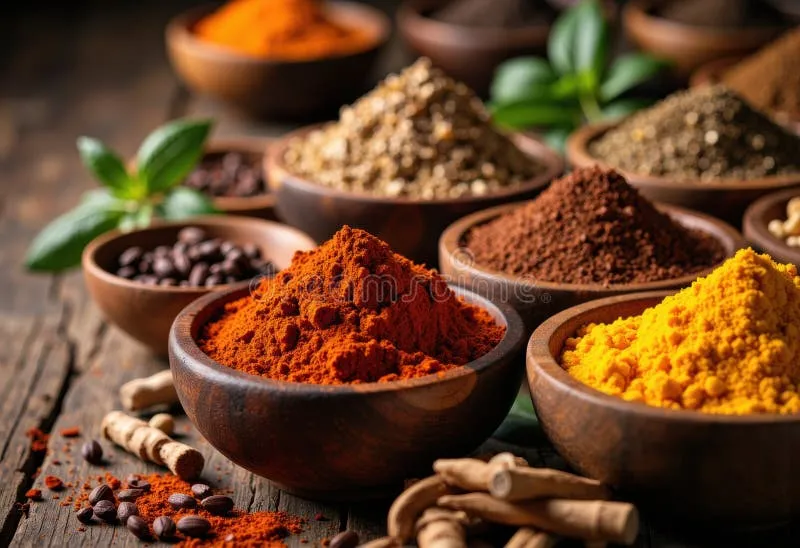
Taste First, Recipe Second: The Quiet Rebellion Happening in American Home Kitchens
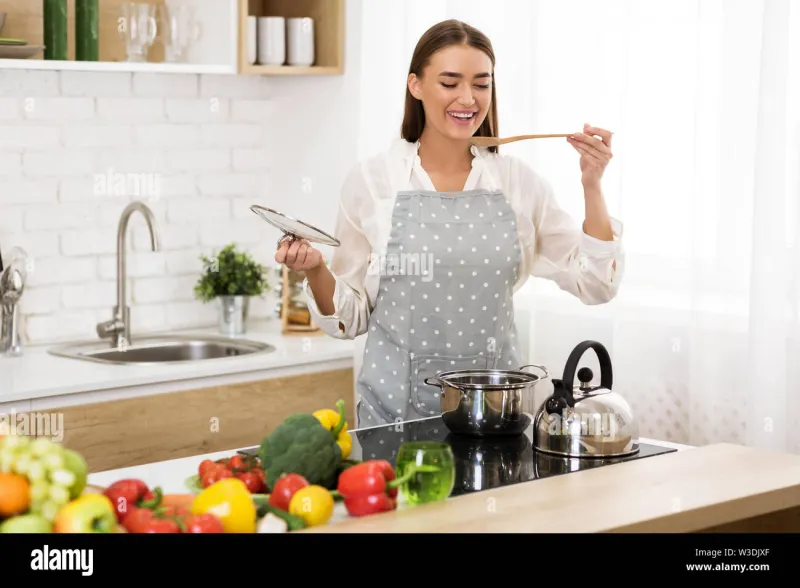
Photo: home cook tasting soup from wooden spoon in kitchen, via c8.alamy.com
There's a moment every cook eventually faces. You're twenty minutes into a recipe, the sauce is simmering, and something tastes... off. Not bad. Just flat. The recipe says one teaspoon of salt, but your tongue is telling you it needs more. So what do you do?
If you're like most American home cooks, you follow the recipe. Because that's the deal, right? Follow the instructions, get the food.
Except the deal is a lie, and a growing number of cooks are figuring that out.
The Recipe as a Security Blanket
Recipes became the dominant way we learn to cook for a reason. They're reproducible, they're shareable, and they removed a lot of the guesswork that used to come with home cooking. But somewhere in the last two decades — with recipe blogs, TikTok tutorials, and algorithm-fed meal kits — we crossed a line. We stopped using recipes as training wheels and started using them as crutches.
"I had a student who could follow a recipe flawlessly but panicked when I asked her to season a pot of soup without one," says Maria Delgado, who teaches weeknight cooking classes out of her Sacramento kitchen. "She'd spent fifteen years cooking other people's food. She'd never cooked her own."
The result is a kind of learned helplessness. We can execute, but we can't improvise. And the difference shows up on the plate.
What 'Swaad' Actually Means at Your Stove
There's a Hindi-Urdu word that captures what recipe-dependence strips away: swaad. It means taste, but not taste in the lab-report sense. It's taste as experience, as pleasure, as the thing that makes you close your eyes for a second after the first bite.
Cooks who cook by swaad aren't ignoring recipes. They're treating them as a starting point instead of a finish line. They taste as they go. They adjust. They notice that the canned tomatoes are more acidic than usual and add a pinch of sugar. They realize the chicken stock they bought is bland and compensate with a parmesan rind.
None of this requires talent. It requires attention — and permission.
The 45-Minute Rule
Here's a pattern I kept noticing talking to confident home cooks: almost all of them describe a threshold moment. For many it lands somewhere around the 45-minute mark of a dish — the point where the recipe runs out of useful information and the food itself has to be the guide.
"Recipes are great until the food starts talking back," says Dev Patel, a home cook in suburban New Jersey who grew up watching his mother cook entirely by feel. "She never measured the turmeric. She'd say 'until it smells right.' It drove me crazy as a kid. Now I get it."
The 45-minute rule isn't literal. It's the point where you stop asking "what does the recipe say?" and start asking "what does this need?" That shift is where flavor lives.
How to Build the Muscle
Nobody goes from recipe-dependent to intuitive overnight. But there are concrete ways to practice:
- Taste everything, always. Raw dough, the braising liquid, the dressing before it hits the greens. Tasting isn't a step; it's a habit.
- Season in layers. Salt the onions. Salt the stock. Salt at the end. Each addition does something different, and you can't learn that from a single measurement.
- Cook the same dish five times. Repetition is the fastest route to intuition. By round five, you won't need the recipe — and you'll notice things you never saw before.
- Break one rule per meal. Add the garlic later than the recipe says. Use half the recommended chili. See what happens. Worst case, you learn something.
- Name what you taste. "Too flat" usually means salt or acid. "Too sharp" means fat or sweetness. Building that vocabulary turns vague dissatisfaction into fixable problems.
The Best Ingredient Is Attention
There's a reason food made by an attentive cook beats food made by a distracted one, even with identical ingredients. Attention is the only seasoning that touches every part of a dish.
The recipe will always be there when you need it. But the next time your sauce tastes flat and the recipe offers no help, do something radical: trust your tongue. Add the splash of vinegar. Grind the extra pepper. Taste again.
That's not breaking the rules. That's learning to cook.