Cracking the Code: How Amateur Cooks Are Using Blind Taste Tests to Unlock Restaurant-Level Flavor
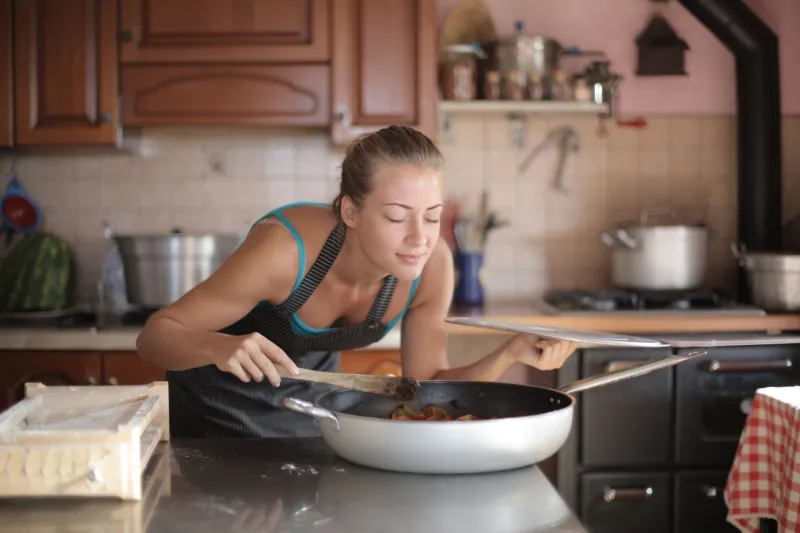
You make the dish. You follow the recipe. You even splurge on the good olive oil. And yet — it still doesn't taste like that. You know the one. The lamb rogan josh from the place on Devon Avenue in Chicago. The birria from that truck in East LA. The pho from the spot your coworker keeps raving about.
For most of us, the gap between home cooking and restaurant cooking feels like a mystery wrapped in a secret wrapped in a $14 entree. But a growing crew of home cooks across the country has decided they're done just accepting that gap. They're diagnosing it — one blind taste test at a time.
The Obsession Has a Name (Sort Of)
Food scientists call it sensory analysis. Sommeliers use a version of it. Perfumers live by it. But in home kitchens from Portland to Pittsburgh, it's showing up in a far more casual, DIY form: small bowls of unmarked spice blends, side-by-side comparisons of broths, and notebooks filled with tasting notes that would make a culinary school instructor quietly impressed.
The basic premise is simple. If you can train yourself to identify individual flavor components — to isolate the warmth of cinnamon from the earthiness of cumin, to notice the difference between fresh and bloomed spices — you can start to reverse-engineer what a dish is actually doing. Not just what's in it, but how much, in what order, and why.
Amanda Reyes, a home cook based in San Antonio who runs a small supper club out of her house, started her tasting experiments after a humbling attempt at replicating her favorite Oaxacan mole. "I kept making it and it kept tasting like... almost right," she says. "So I started breaking it apart. I'd make tiny batches with one variable changed at a time and taste them blind so I wouldn't psych myself out."
After about two months of methodical testing, she figured out what she'd been missing: a combination of slightly over-toasted dried chiles and a longer simmer time that deepened the chocolate note without overwhelming it. "It was never about a secret ingredient," she says. "It was about understanding why each thing was there."
Building Your Own Sensory Lab (On a Normal Budget)
You don't need lab equipment or a culinary degree to start doing this. What you need is curiosity, a little patience, and a willingness to taste things in a way you probably never have before.
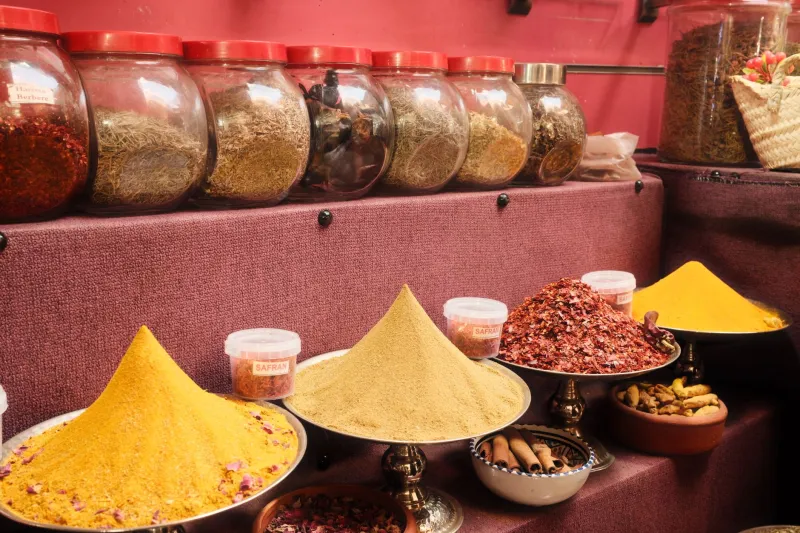
Start with the spice isolation test. Take five or six spices you use regularly — say, cumin, coriander, smoked paprika, turmeric, cardamom — and smell and taste each one individually, on its own, without anything else around. Write down what you notice. Not just "warm" or "earthy," but where you feel it. Does it hit the front of your tongue or the back of your throat? Is there a floral note hiding behind the heat? Does it smell different dry versus after you've bloomed it in oil?
This sounds tedious, but it builds a mental flavor library that pays off fast. Once you know what cardamom actually tastes like on its own, you'll start noticing it in restaurant dishes you never would have caught before.
Next, try the proportion test. Make the same simple spice blend — a basic curry base, for example — in three or four different ratios. Don't label which is which. Taste them blind (have a friend mix them up, or just wait a day until you've forgotten). You'll start to understand how ratios shift the personality of a dish in ways that ingredient lists alone can never tell you.
Then go comparative. Order a dish from a restaurant you love. Make your best attempt at home. Taste them side by side, blind if possible. Don't try to judge which is better — try to name the specific differences. Is the restaurant version saltier? Deeper? Is there a smoky note you can't account for? Write it down. That list becomes your roadmap.
What Food Scientists Say About This
Dr. Sarah Lim, a sensory scientist who consults for food brands and occasionally teaches workshops for culinary enthusiasts, says the approach home cooks are landing on intuitively is actually pretty close to professional methodology. "The biggest thing trained sensory analysts do that most home cooks don't is slow down," she explains. "We're taught to pause between samples, cleanse the palate properly, and separate smell from taste from texture. Most people eat everything at once and wonder why they can't isolate anything."
She recommends a few simple upgrades to the amateur approach: use room-temperature water (not ice cold) as a palate cleanser, taste in a well-ventilated space since lingering cooking smells can skew perception, and always taste before you're actually hungry — when you're starving, everything tastes good, which isn't useful for analysis.
She also points out something that surprises a lot of home cooks: technique leaves a flavor fingerprint that spices alone can't replicate. "Blooming spices in fat, toasting whole spices before grinding, building fond in a pan — these aren't just cooking tips. They create chemical compounds that don't exist in a jar. When people say a restaurant dish has a 'depth' they can't reproduce, they're often sensing those compounds."
The Community That's Doing This Together
One of the more interesting developments in this space is how social it's become. Online communities — Reddit threads, Discord servers, Instagram accounts dedicated to "spice nerd" content — are full of people sharing their tasting notes, comparing results, and crowdsourcing flavor detective work.
A thread in one popular cooking forum recently featured a group of home cooks collectively attempting to decode the spice profile of a beloved regional Indian restaurant's chicken tikka. Over about three weeks of shared experiments, they narrowed it down to the restaurant's use of black cardamom (not just green), a longer marinade time, and what appeared to be a finishing drizzle of mustard oil. None of them had ever met in person. All of them came away better cooks.
Your First Assignment
If you want to start your own flavor investigation, here's the simplest possible entry point: pick one dish you love but can't quite nail at home. Before your next attempt, eat it slowly at the restaurant with a notebook nearby. Don't just enjoy it — study it. What hits first? What lingers? What's the texture doing to the flavor? What would you call the mood of the dish?
Then go home and cook it with those notes in hand. Not a recipe — your notes. See what happens.
The gap between restaurant magic and home cooking is real, but it's not uncrossable. It's just made of information you haven't gathered yet. Start gathering.