From Distant Farms to Your Dinner Table: The Invisible Forces That Shape What's on Your Spice Rack
You probably didn't think about geopolitics the last time you grabbed a jar of smoked paprika from the grocery store shelf. Fair enough — most of us are just trying to get dinner on the table. But here's the thing: the price of that paprika, whether it's even in stock, and whether it tastes the way it did two years ago? All of that is tied to a web of global trade relationships, climate patterns, shipping logistics, and political decisions that stretch from a farm in southern Spain to a warehouse in New Jersey.
The spice trade didn't end with the Age of Exploration. It just got faster, more complicated, and a whole lot harder to see.
The Global Pantry Runs on a Very Thin Margin
American home cooks have gotten used to something pretty remarkable: near-infinite ingredient availability. Walk into any decent-sized grocery store and you can find cardamom from Guatemala, turmeric from India, vanilla from Madagascar, and dried chiles from Mexico — all within a few feet of each other. That kind of abundance feels normal now, but it's actually the product of an extraordinarily complex global logistics system operating under constant pressure.
When any part of that system hiccups — a drought in a producing region, a port strike, a sudden tariff adjustment, or a currency fluctuation — the ripple effects reach American kitchens faster than most people realize. During the COVID-19 pandemic, for example, many home cooks discovered that certain specialty ingredients they'd taken for granted were suddenly either gone from shelves or priced at levels that felt almost absurd. That wasn't random. It was the supply chain being honest about how fragile it had always been.
Why Some Spices Disappear (And Come Back Weird)
Let's talk vanilla, because it's one of the most dramatic examples of supply chain drama playing out in real time. Madagascar produces somewhere around 80% of the world's vanilla, and when Cyclone Enawo devastated the island's crop in 2017, vanilla prices shot up to levels that made it, pound for pound, more expensive than silver. Bakers across the United States watched in real time as extract prices climbed and some manufacturers quietly reformulated their products with artificial flavoring to keep costs manageable.
Saffron tells a similar story. Iran produces the majority of the world's supply, and U.S. sanctions have historically complicated its importation, pushing buyers toward Spanish or Afghan saffron — which is genuinely excellent but comes with its own supply constraints and price points. What that means practically is that the saffron in your local store may not always be the same origin, quality, or potency from one year to the next, even if the label looks identical.
For home cooks trying to nail a specific dish — a proper paella, a classic Persian rice — these shifts matter. Authenticity isn't just about following a recipe correctly. It's also about having access to ingredients that actually behave the way the recipe expects them to.
Trade Agreements Are Seasoning Your Food Whether You Know It or Not
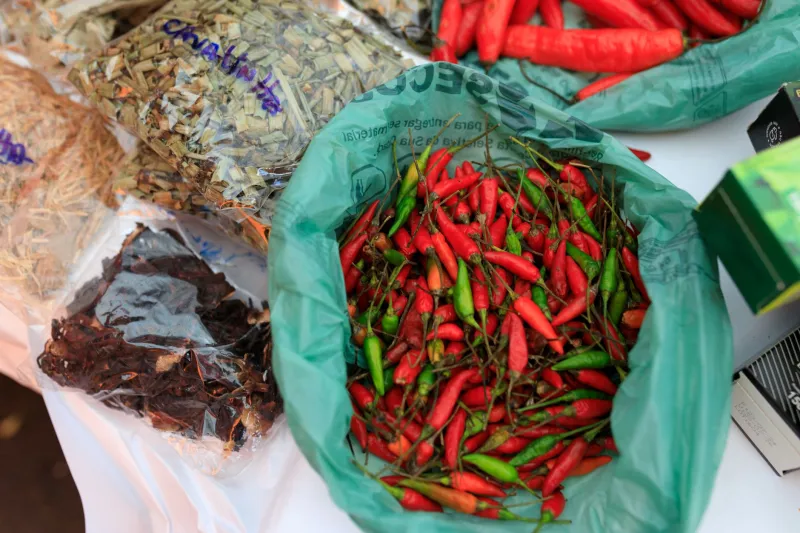
Here's something that doesn't get talked about enough: trade policy is a kitchen issue. When the U.S. imposes or lifts tariffs on agricultural products from specific countries, it directly affects what ends up on grocery store shelves and at what price. The ongoing trade tensions with China, for instance, affected the availability and cost of certain specialty ingredients popular in Chinese-American cooking. Similarly, shifting relationships with Mexico — America's largest source of fresh produce and a major supplier of chiles, herbs, and spices — have a direct line to the ingredient aisle.
For independent importers and specialty food stores, this is a constant juggling act. Small ethnic grocery stores, which often source directly from specific regions to maintain authenticity for their communities, feel these shifts acutely. A family-run shop that's been bringing in a particular brand of Korean doenjang or a specific Oaxacan chile paste for twenty years can find their supply suddenly disrupted by changes happening thousands of miles away in a government office.
What It Actually Means for Your Cooking
So what do you do with all of this? A few practical things, actually.
Buy from specialty importers when you can. Smaller importers who focus on single-origin spices tend to have deeper relationships with their growers and more transparency about sourcing. They're also often more resilient when mainstream supply chains get wobbly, because they're not dependent on the same massive distribution networks.
Learn the substitution landscape. Not as a fallback for when you're lazy, but as genuine culinary knowledge. Understanding that Aleppo pepper and Urfa biber come from the same general flavor family, or that black cardamom can step in for green in certain applications, means a supply disruption doesn't derail your cooking. It just redirects it.
Pay attention to origin labels. More spice companies are being transparent about where their products come from, and that information matters — not just ethically, but culinarily. Cinnamon from Sri Lanka (true cinnamon, or Ceylon) behaves differently in a recipe than cassia from China or Vietnam, which is what most American grocery stores actually sell under the "cinnamon" label.
Stock up strategically, but thoughtfully. Whole spices keep far longer than ground ones. If you cook with a particular spice regularly and notice it in good supply at a fair price, buying a larger quantity of the whole version and grinding as needed is both economical and a hedge against future scarcity.
The Deeper Flavor Here
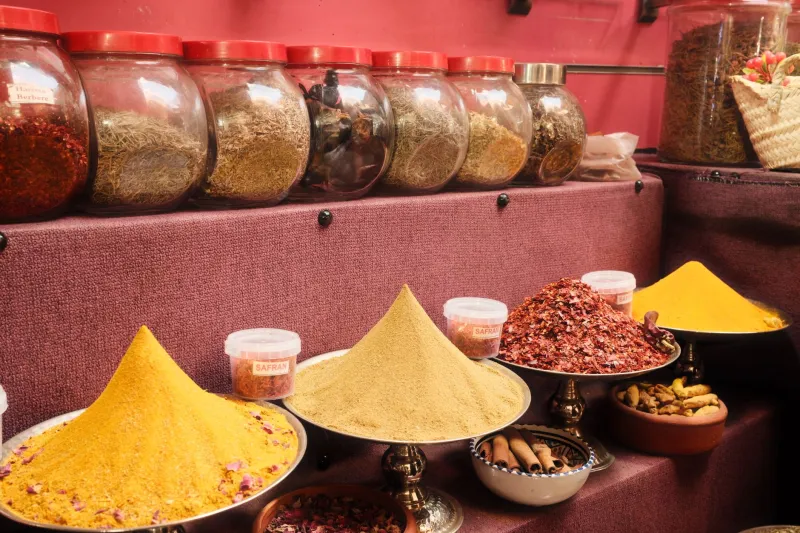
There's something kind of poetic about the fact that every jar on your spice rack represents a global journey — farmers, traders, freight ships, customs agents, distributors, and finally, you. The spice trade that once drove empires to war, that sent ships around the bottom of Africa and across uncharted oceans, is still happening. It's just invisible now, tucked inside efficient supply chains that we only notice when they break.
Cooking with that awareness doesn't have to be overwhelming. It can actually deepen your relationship with the ingredients you use. When you know that your smoked paprika came from a specific region of Spain, or that the turmeric in your golden milk was grown in a particular part of India, those ingredients start to taste like something more than just powder in a jar. They taste like the world — which, if you ask us, is exactly the point.