Bypassing the Spice Aisle: How Home Cooks Are Building Their Own Global Flavor Networks
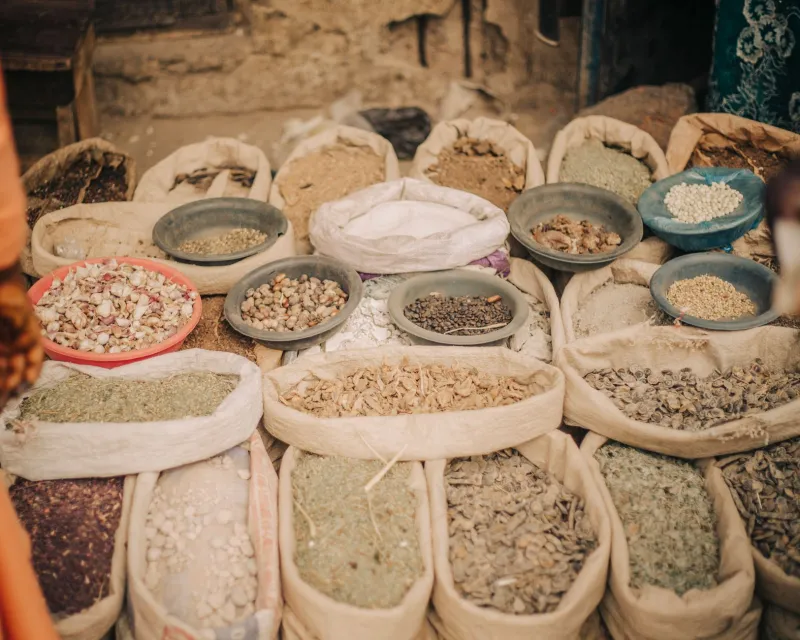
For most of recorded history, getting your hands on a truly exceptional spice meant knowing somebody who knew somebody — a merchant, a sailor, a trader with connections in places most people would never visit. The spice routes that wound through the Middle East, across South Asia, and into the ports of Europe weren't just trade corridors. They were the original flavor networks, built on relationships, trust, and the shared understanding that the good stuff was worth the extra effort.
Fast forward a few centuries, and you'd be forgiven for thinking all that drama got flattened into a grocery store aisle. Identical little jars. Generic blends. Expiration dates stamped in fonts nobody reads. But something interesting has been happening quietly in American kitchens over the last several years: a growing number of home cooks have started opting out of that system almost entirely.
The Problem With the Spice Rack You Already Have
Here's something most casual cooks don't spend a lot of time thinking about: the dried spices sitting in your cabinet right now might be anywhere from one to four years old. Maybe older. Commercial spice supply chains are long and complicated, and by the time that jar of smoked paprika or ground coriander hits a store shelf in Des Moines or Denver, it's already lost a significant chunk of its essential oils — which is basically where all the flavor lives.
This isn't breaking news to serious home cooks, but it's the kind of thing that tends to spark a search. Once you start looking into where spices actually come from and what they taste like when they're genuinely fresh, the standard retail experience starts to feel a little hollow.
That's exactly the frustration that sent people like Maya, a home cook in Chicago who runs a small supper club out of her apartment, down a very different sourcing path. "I was making a Moroccan lamb dish and I wanted real ras el hanout — not the seven-ingredient version in a tin at Whole Foods," she says. "I ended up in a Facebook group for spice nerds, and within a week I had a direct contact for a small importer in Marrakech who ships to the US."
Online Communities Are the New Trading Posts
If the old spice routes ran through port cities and desert crossings, today's equivalent lives in Reddit threads, Discord servers, and niche Facebook groups with names like "Serious Spice Heads" or "Single Origin Everything." These communities are surprisingly active and genuinely knowledgeable — part enthusiast forum, part sourcing directory, part quality control board.
Members share everything from reviews of specific importers to growing-season updates from farms in Vietnam, Guatemala, and Kerala. Someone will post about a particular harvest of Kampot pepper from Cambodia and within hours there's a full conversation about which vendors have it in stock, how this year's crop compares to last, and what dishes it's best suited for.
Micro-roasters have emerged as a key part of this ecosystem, too. Unlike the large commercial operations that blend and process spices in bulk, these small businesses — often run by one or two people with deep personal connections to specific growing regions — roast and grind to order. Some operate out of actual storefronts, but many are essentially cottage operations selling through Instagram and Etsy. The model is closer to specialty coffee than anything you'd find in a traditional grocery context.
Single-Origin Is No Longer Just a Coffee Thing
The single-origin movement, which spent the last two decades reshaping how Americans think about coffee and chocolate, has arrived in full force at the spice cabinet. And the flavor differences are real enough to stop you mid-cook.
Take vanilla. Most home bakers have used the same generic extract for years without thinking much about it. But Tahitian vanilla, Mexican vanilla, and Madagascar vanilla are genuinely different products with distinct aromatic profiles. Sourcing directly from small operations in those regions — several of which now ship internationally and have English-language storefronts — gives you access to variations that no supermarket blend will ever approximate.
The same is true for something as seemingly basic as black pepper. Tellicherry peppercorns from the Malabar Coast in India, long pepper from Indonesia, and cubeb pepper from West Africa are all technically "pepper" but they bring completely different energy to a dish. Once you've cooked with freshly cracked Tellicherry, the pre-ground stuff in the little tin feels like a different ingredient entirely.
Traceability as a Value, Not Just a Trend
What's particularly interesting about this shift is that it's not purely about flavor. For a lot of home cooks, sourcing directly from small producers is also a way of voting with their grocery budget for a different set of values — fair compensation for farmers, transparency about growing conditions, and a more honest relationship with where food actually comes from.
This mirrors what happened in the craft beer and specialty coffee worlds, where consumers gradually became more curious about process and provenance. The difference is that with spices, the global supply chain has historically been especially opaque, and the communities most affected by exploitative sourcing practices are often very far from the American kitchens where their products end up.
Knowing that your saffron came from a specific cooperative in Khorasan province, or that your cardamom was grown by a family farm in Guatemala's Alta Verapaz region, adds a layer of meaning to the cooking that goes beyond technique. It's the kind of connection that the original spice traders would have recognized immediately — even if the mechanism is now a PayPal transaction and a tracking number.
Getting Started Without Getting Overwhelmed
If all of this sounds like a rabbit hole, it is — but it's a genuinely rewarding one. A few practical entry points:
- Start with one spice you use constantly. Black pepper, cumin, or cinnamon are great starting points because you already know what the mediocre version tastes like, so the upgrade is immediately obvious.
- Look for importers with direct farm relationships. Companies like Burlap & Barrel, Diaspora Co., and Curio Spice Co. have done a lot of the relationship-building work and are transparent about their sourcing. They're a good bridge between mainstream retail and the deeper DIY sourcing world.
- Join at least one online community. Even lurking in a spice-focused subreddit for a few weeks will give you a solid education in what's worth seeking out and what's overhyped.
- Buy smaller quantities more frequently. The whole point of fresh spices is that they're fresh — buying a two-year supply defeats the purpose.
The spice trade never really ended. It just got democratized. And for home cooks willing to put in a little effort, that means access to flavors that would have required a merchant ship and a small fortune not that long ago. That's a pretty good deal.