Toss These, Buy Those: The Only Seven Spices Your Kitchen Actually Needs (and What Yours Is Hiding)
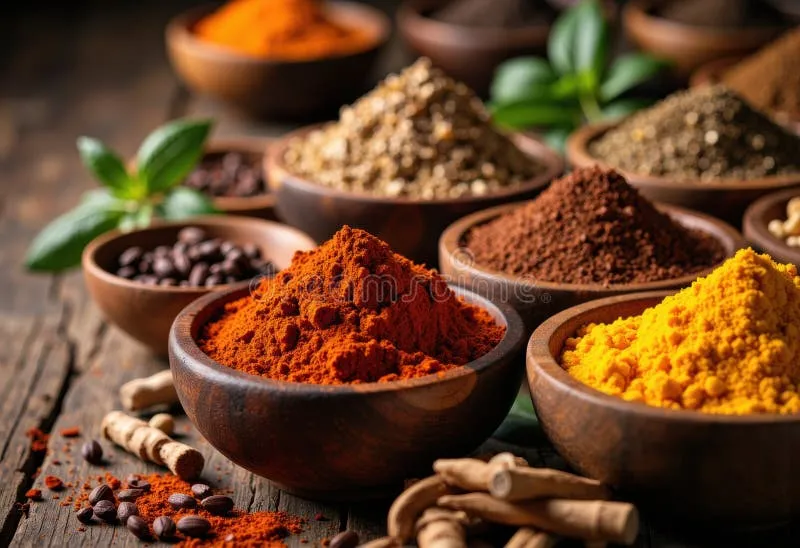
Photo: colorful whole spices in small bowls on dark wooden table cumin cinnamon paprika, via thumbs.dreamstime.com
Open your spice cabinet right now. Go ahead. I'll wait.
If you're like most American home cooks, you just found a jar of ground cinnamon older than some of your friendships, a plastic shaker of "Italian seasoning" that smells like hay, and at least three spices you bought for exactly one recipe and never touched again. Meanwhile, the spices that could genuinely transform your weeknight cooking are missing entirely.
Here's the uncomfortable truth: ground spices start losing their punch within six months to a year. That jar isn't spoiled — it's just silent. If you can't smell it clearly when you open the lid and wave it under your nose, it's seasoning your food with nostalgia and nothing else.
So let's do this in three steps: toss, buy, cook.
Step One: The Toss Pile
Be ruthless. Anything ground, faded, and scentless goes. Same for any spice blend with sugar or salt in the first three ingredients — that's filler, not flavor. And if you own multiple jars of the same thing from different eras, keep the newest, compost the rest.
Step Two: The Seven Worth Owning
These seven cover an enormous stretch of the world's cooking. Buy whole where you can, grind small amounts as needed (a $15 blade grinder changes your life), and store them away from the stove's heat.
1. Cumin. The backbone of Tex-Mex chili, Indian dal, Middle Eastern hummus, and half the tacos in America. Toast whole seeds until fragrant, then grind. Three easy wins: classic beef chili, cumin-roasted carrots, black bean soup.
2. Coriander. Cumin's citrusy, floral sidekick. Whole coriander seeds crushed into a rub make chicken thighs taste like they marinated for a day. Try it in: a coriander-crusted salmon, lentil salad, quick-pickled red onions.
3. Black peppercorns. Not the dusty pre-ground stuff — actual peppercorns in a grinder. Tellicherry if you're feeling fancy. It's in: everything, but especially cacio e pepe and a proper vinaigrette.
4. Smoked paprika (pimentón). One jar, instant depth. Spanish pimentón de la Vera turns eggs, potatoes, and roasted chicken into something that tastes like it sat near a wood fire all afternoon. Try it in: patatas bravas, deviled eggs, smoked paprika butter for cornbread.
5. Cinnamon (Ceylon if possible). Beyond oatmeal: Ceylon cinnamon is lighter and brighter than the cassia most American stores sell. It's the difference between cinnamon-sugar toast and the warm complexity in a proper mole or a Moroccan tagine. Try it in: rice pilaf with cinnamon and almonds, Mexican hot chocolate, braised short ribs.
6. Crushed red pepper / chili flakes. Your adjustable heat dial. Different flakes carry different heat — Calabrian chilies are fruity, gochugaru (Korean) is smoky and mild. Try it in: chili crisp (just pour hot oil over flakes and garlic), arrabbiata sauce, roasted broccoli.
7. Garam masala. The proof that a blend can beat any single spice. It's a finishing spice — sprinkle it in at the end of cooking, not the beginning. Try it in: butter chicken, roasted cauliflower, stirred into pumpkin soup.
Step Three: Prove It This Week
The fastest way to understand what fresh spices do is a side-by-side. Cook two pots of the same lentil soup — one with your old ground cumin, one with toasted, freshly ground seeds. The difference is not a nuance. It's a wall.
From there, you'll start noticing how these seven overlap: cumin plus coriander plus chili is a taco seasoning. Cumin, coriander, and garam masala is halfway to a curry. Paprika, cumin, and garlic rubs a whole chicken. Seven jars, dozens of dinners, zero redundancy.
Your spice rack shouldn't be a collection. It should be a toolkit — small, sharp, and used often enough that nothing in it has time to go quiet.