The Corner Store That Connects You to the World: Inside America's Ethnic Grocery Shops
The Strip Mall That Secretly Runs on Ancient Trade Routes
There's a grocery store about twenty minutes from downtown Houston — fluorescent lights, hand-lettered signs, a freezer case that hums a little too loud. The parking lot is cracked. The shopping carts wobble. And inside, you'll find dried Kashmiri chiles so vibrant they look like they're still on the vine, tamarind blocks wrapped in nothing but plastic and honesty, and a proprietor named Rajan who can tell you exactly which region of India each product came from and why it matters.
This is not a specialty food boutique. There's no reclaimed wood. Nobody here is charging eighteen dollars for a small-batch hot sauce with a clever name. And yet, what Rajan's store offers is something that even the most curated grocery chain in America cannot fully replicate: a direct, living connection to where food actually comes from.
The spice trade — that sprawling, centuries-long web of commerce that once made empires rich and wars worth fighting — never really ended. It just decentralized. It moved into neighborhoods. It set up shop in places most food media hasn't thought to look.
What's Actually on Those Shelves
Walk into an Indian, West African, Southeast Asian, Mexican, or Middle Eastern grocery store in any mid-sized American city and pay attention to what you're seeing. Not just the products, but the specificity of them.
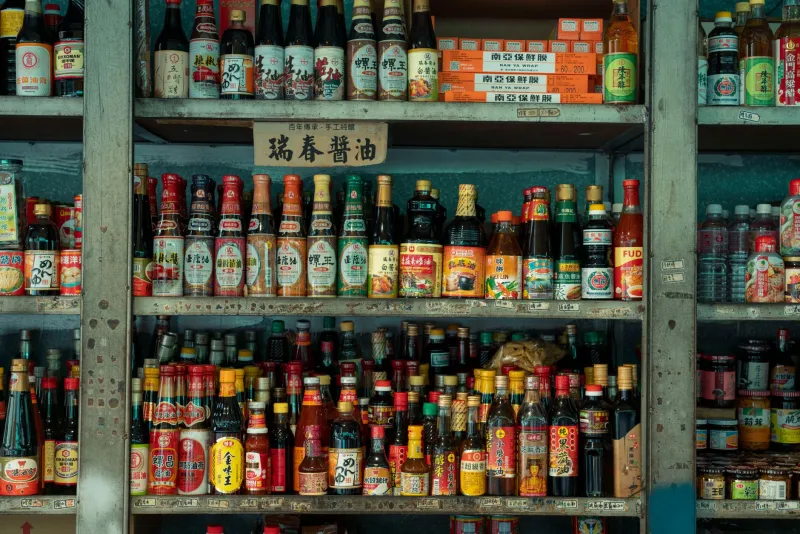
At a Pan-Asian market in suburban Atlanta, you won't just find fish sauce — you'll find fish sauce from three different countries, each with a distinct salinity level and fermentation profile. At a West African grocer in Minneapolis, the dried crayfish sitting in a plastic tub by the register isn't a generic product; it's sourced from a particular coastal supplier whose family has been drying shellfish the same way for generations.
This specificity is the point. These stores exist because their communities demanded authenticity — not approximation. When a Nigerian grandmother in Columbus, Ohio needs iru (fermented locust beans) for her egusi soup, she's not looking for a substitute. She knows what it's supposed to taste like, and so does the shop owner who stocks it.
That demand for precision is exactly what makes these stores such an extraordinary resource for any home cook who wants to actually understand global flavor, not just gesture at it.
The People Running the Supply Chain
Behind every well-stocked ethnic grocery is a person — usually an immigrant, often a first-generation business owner — who has spent years building supplier relationships that look nothing like what a Whole Foods category buyer does.
Many of these shop owners source directly from importers who specialize in their region of origin, maintaining relationships that prioritize quality and community trust over volume discounts. Some products travel through networks so informal they'd make a supply chain consultant nervous: a cousin who brings dried herbs back in checked luggage, a supplier contact passed down from a previous shop owner, a WhatsApp group connecting diaspora buyers with producers overseas.
It sounds chaotic. It works beautifully.
Nadia, who runs a Moroccan and Middle Eastern grocery in Dearborn, Michigan, gets her preserved lemons from a woman in Fez whose family has been making them the same way for four generations. "I could buy them from a distributor," she says, straightening a display of rose water bottles. "But then they taste like nothing. My customers know the difference. They grew up with the real thing."
That accountability — to a community that knows — is what keeps quality honest in these stores in a way that mainstream retail rarely achieves.
What Shopping Here Does to Your Cooking
Here's the practical part, because this isn't just a cultural appreciation exercise. Shopping at ethnic grocery stores will make you a genuinely better cook, and it'll do it faster than any cookbook or cooking class.
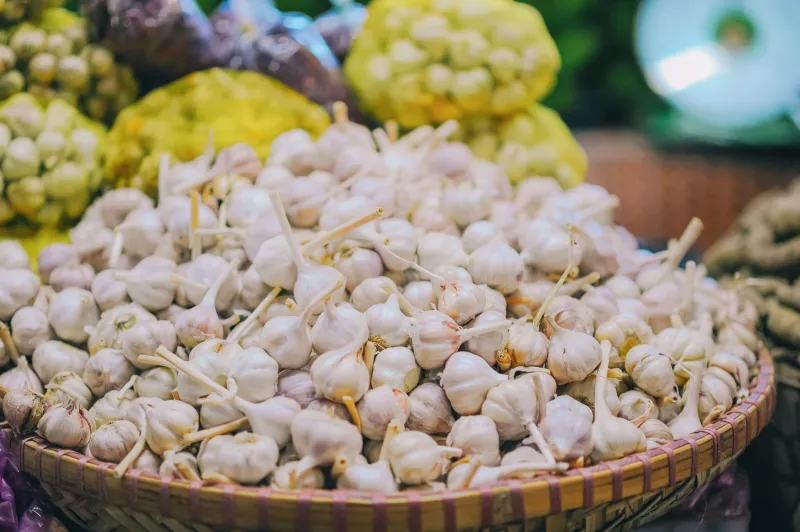
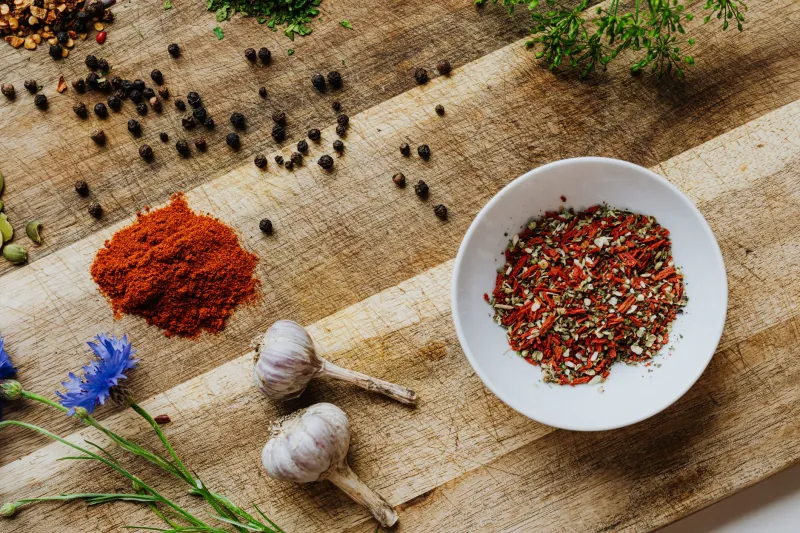
First, the ingredients are frequently fresher and more authentic in form. Whole spices rather than pre-ground powders. Dried chiles with names and flavor profiles, not just "hot" or "mild." Flours milled for specific applications. Aromatics you won't find in a standard produce section.
Second, the prices are often dramatically lower. Cardamom at a South Asian grocery can cost a third of what the same quantity runs at a conventional supermarket. Dried anchovies, tamarind paste, coconut vinegar, black sesame paste — the math almost always favors the specialty store.
Third — and this is the part that sneaks up on you — you start to understand why certain ingredients exist. When you buy Mexican canela (Ceylon cinnamon, softer and more floral than the cassia most Americans know as "cinnamon") from a Mexican grocer, you start to understand why certain mole recipes taste the way they do. The ingredient teaches you the cuisine.
How to Actually Do This (Without Being Weird About It)
If you've never shopped at an ethnic grocery before, the experience can feel a little disorienting — not because anything is unwelcoming, but because the store isn't organized around your existing knowledge. That's a feature, not a bug.
A few practical suggestions:
Go without a list first. Just walk the aisles. Read labels. Notice what's stocked in multiples versus what's clearly a specialty item. Buy something you don't recognize and look it up when you get home.
Talk to the owner or staff. This is genuinely the most underused resource in American food culture. These are people with deep culinary knowledge who are almost always willing to share it. Ask what something is used for. Ask what brand they'd buy for their own kitchen.
Be a repeat customer. These are small businesses operating on thin margins in a retail landscape that's brutally competitive. Becoming a regular matters economically, and it also deepens your access to knowledge. Shop owners remember customers who are curious and engaged.
Bring a dish goal. If you're trying to make a specific recipe — a proper Thai green curry, a Senegalese thieboudienne, a Lebanese kibbeh — tell someone at the store. You'll often get ingredient recommendations you wouldn't have found on your own.
The Bigger Picture
There's something worth sitting with here beyond the practical cooking advice. These stores are, in a very real sense, cultural institutions. They're how diaspora communities maintain connection to home. They're how culinary traditions survive displacement. And increasingly, they're how curious American home cooks are finding their way past the homogenized global food aisle and into something that actually has a story.
The spice trade built the modern world — shaped exploration routes, funded empires, sparked wars, and created the global pantry we now take for granted. Today, a quieter version of that same trade is happening in strip malls and urban storefronts across the country, run by people who care deeply about getting it right.
Your cooking deserves that. So does your curiosity.
Next time you're thinking about picking up a jar of generic curry powder from the big-box store, consider taking a small detour. Find the Indian grocery, the Ethiopian market, the Filipino tiangge, the Mexican abarrotes. Walk in. Look around. Ask a question.
The whole world is in there, if you know how to look.