One Spice Blend to Rule Them All: How Global Seasoning Traditions Are Ending the Era of Single-Note Flavors
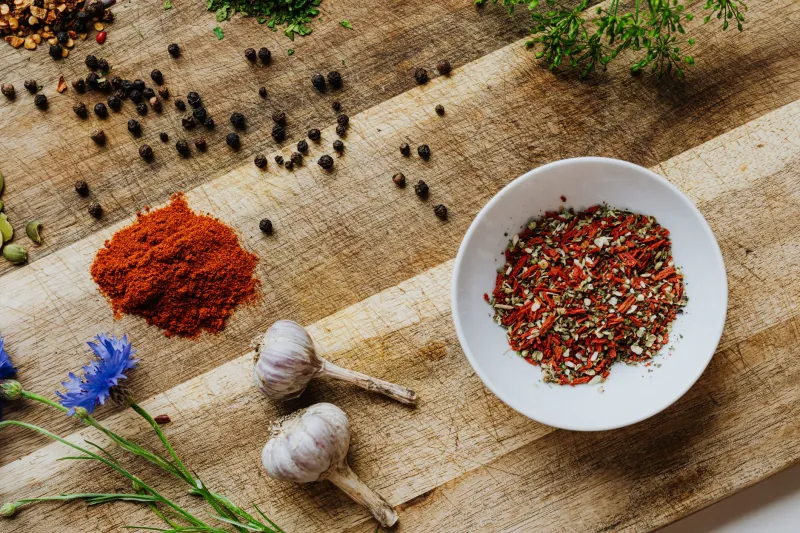
Let's be honest about something. For a long time, American spice culture was built on convenience and repetition. Garlic powder on the chicken. Italian seasoning on the pasta. A dusty jar of paprika that's been in the cabinet since 2019. Functional? Sure. Exciting? Not particularly.
Something is shifting, though. Walk through any well-stocked grocery store today — Whole Foods, World Market, even a decent Kroger — and you'll find shelf space dedicated to blends that would have seemed exotic just ten years ago. Ras el hanout. Za'atar. Shichimi togarashi. Berbere. These aren't novelties. They're windows into culinary traditions where the spice blend itself is the art form, and American home cooks are increasingly paying attention.
This isn't just a trend. It's a correction.
Why Single-Note Seasonings Leave You Wanting More
There's a reason garlic powder on roasted broccoli tastes fine but never quite transcends. A single seasoning, no matter how good, delivers a single dimension of flavor. It hits one note and stops.
The culinary traditions that have produced the world's most beloved dishes — Moroccan tagines, Japanese izakaya snacks, Persian rice dishes, Mexican moles — have always understood flavor as something layered and dynamic. A well-constructed spice blend doesn't just season food; it tells a story. Warm notes and sharp ones. Earthy undertones and bright top notes. Something that fades quickly and something that lingers. That interplay is what makes food memorable rather than merely acceptable.
From a chemistry standpoint, this tracks. Different aromatic compounds in spices — terpenes, aldehydes, phenols — interact with your taste receptors in distinct ways and at different speeds. Blending spices isn't just additive; it's multiplicative. The whole really is greater than the sum of its parts, and cultures that have been building spice blends for centuries figured this out empirically long before food scientists had the language to explain it.
Four Blends Worth Getting to Know
Ras el Hanout — Morocco
The name translates roughly to "top of the shop" in Arabic, implying that a spice merchant would include their finest and most prized ingredients. Every version is different, but most ras el hanout blends weave together warm spices like cinnamon, cardamom, and cloves with earthier notes from cumin and coriander, floral hints from rose petals or lavender, and sometimes a gentle heat from dried chilies or black pepper. The result is a blend that feels simultaneously warm, complex, and almost perfumed.
In Moroccan cooking, it seasons everything from slow-braised lamb to couscous to roasted root vegetables. But in an American kitchen, it's equally transformative on butternut squash soup, rubbed onto pork shoulder before a low-and-slow roast, or stirred into plain Greek yogurt for a quick dip that will confuse and delight your guests.
Shichimi Togarashi — Japan
Shichimi means "seven flavors" in Japanese, and this blend delivers exactly that — a carefully calibrated combination that typically includes red chili flakes, sansho pepper (a citrusy, slightly numbing relative of Sichuan peppercorn), dried orange peel, sesame seeds, nori, hemp seeds, and sometimes ginger. The effect is layered heat with brightness, nuttiness, and a subtle oceanic undertone.
Traditionally sprinkled over ramen, udon, and yakitori, shichimi togarashi has enormous crossover potential in American cooking. Try it on avocado toast, roasted edamame, fried eggs, or even kettle corn. Its balance of heat and complexity makes it a genuinely interesting alternative to plain red pepper flakes — with a lot more personality.
Dukkah — Egypt (and Persia, broadly)
Dukkah occupies a slightly different category — it's technically a nut-and-spice blend rather than a pure spice mix, but its role in Middle Eastern and North African cooking is that of a finishing seasoning, which is exactly how it earns its place on this list. A classic dukkah includes hazelnuts or pistachios, sesame seeds, coriander, cumin, and black pepper, all toasted and roughly ground together. The texture is coarse and crumbly, the flavor simultaneously nutty, warm, and aromatic.
The traditional way to eat it is simple: dip bread in olive oil, then press it into dukkah. But it's also extraordinary crusted onto salmon fillets, scattered over hummus, or used as a finishing touch on roasted carrots or beets. It brings textural contrast and flavor depth simultaneously — something very few single-ingredient seasonings can claim.
Recado — Mexico (particularly the Yucatán)
Recado rojo, made primarily from achiote (annatto seeds), is one of the most visually striking spice pastes in any culinary tradition — a deep brick-red that stains everything it touches and signals flavor before you've even tasted it. But recado isn't just about color. Achiote carries a subtly earthy, slightly peppery, faintly floral flavor that forms the backbone of dishes like cochinita pibil. Combined with cumin, oregano, cloves, and citrus juice to form a paste, it creates a marinade that is simultaneously bold and nuanced.
In an American kitchen, recado paste (available at Latin grocery stores and increasingly at mainstream supermarkets) works beautifully on chicken thighs, pork ribs, or cauliflower steaks. It's a shortcut to Yucatecan flavor that doesn't feel like a shortcut at all.
Building Your Own Blends — A Starting Framework
Once you start thinking in terms of layered flavor rather than single-note seasoning, building your own blends becomes intuitive. A useful framework borrowed from perfumery — top notes, middle notes, and base notes — translates surprisingly well to spice blending.
Base notes are the warm, heavy, slow-to-fade spices: cinnamon, cloves, allspice, cumin, coriander. These anchor a blend and give it staying power.
Middle notes are the body of the blend — the spices that define its character: smoked paprika, turmeric, dried chili, cardamom, fennel seed.
Top notes are the bright, volatile elements that hit first and fade quickly: black pepper, citrus peel, fresh or dried ginger, dried herbs like thyme or oregano.
A well-balanced blend has something from each category. Start with a ratio of roughly 50% middle notes, 30% base notes, and 20% top notes, then adjust based on what you're cooking and your own palate. Toast whole spices in a dry skillet before grinding — it takes three minutes and makes an enormous difference.
The Real Shift Happening in American Kitchens
What's driving this move toward global spice blends isn't just culinary curiosity, though that's certainly part of it. It's also a growing recognition that American food culture is at its best when it's porous — when it absorbs and celebrates the cooking traditions of the many communities that make up this country rather than flattening them into generic "ethnic food" categories.
Buying a jar of ras el hanout or making your own shichimi togarashi at home is a small act, but it connects you to something larger: the idea that flavor has always been a form of cultural expression, and that every blend tells you something about the place and people it came from.
Your spice rack is more than storage. It's a passport. And it might be time to upgrade it.