Out of Stock, Into Flavor: The Pantry Experiments That Outlasted the Crisis
For a strange stretch of time not so long ago, the American grocery store became an unreliable narrator. Pasta was gone. Canned beans were a luxury. Yeast disappeared so completely that people started treating a functioning sourdough starter like a family heirloom. Flour came back, then left again. And somewhere in the middle of all that uncertainty, a quiet revolution was happening on kitchen countertops across the country.
People started cooking differently. Not by choice, exactly — but with an inventiveness that surprised even themselves. And when the shelves eventually refilled, something interesting happened: a lot of those improvised recipes didn't get abandoned. They stayed. They became regulars. They got shared with friends, scribbled into notebooks, and passed along in group chats with subject lines like "you have to try this."
This is the story of the crisis recipes that earned a permanent seat at the table.
The Pantry as a Culinary Constraint
There's a concept in creative fields called the "productive constraint" — the idea that limitations, rather than freedom, often generate the most interesting work. A poet working in a strict form. A filmmaker shooting with a single camera. A cook working with whatever happens to be in the cabinet.
The supply chain disruptions of recent years created exactly that kind of constraint for millions of American home cooks, many of whom were suddenly cooking three meals a day at home with no clear end date in sight. The usual shortcuts weren't available. The specific ingredients that anchored familiar recipes were sometimes simply not there.
So people improvised. And in doing so, many of them discovered that they were more capable in the kitchen — and more adventurous in their palates — than they'd ever given themselves credit for.
The Recipes That Came From Nowhere (And Stayed)
A few patterns emerged from the chaos that are worth examining, because they reveal something real about how American food culture is evolving.
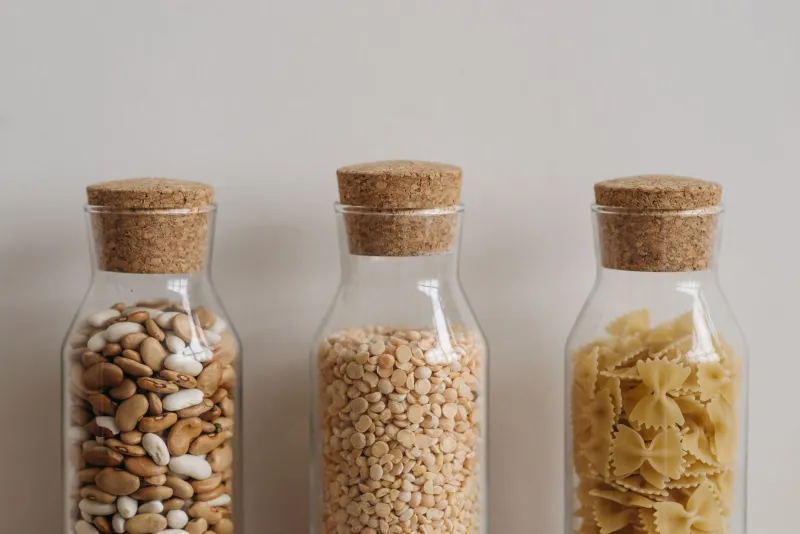
The dried legume renaissance. When canned beans became scarce, a lot of home cooks encountered dried beans for the first time — or rediscovered them after years of ignoring them. And while the learning curve (soaking times, longer cooking, the occasional batch that just doesn't cooperate) was real, so was the payoff. Dried beans cooked from scratch have a texture and flavor that canned beans simply don't match. Many cooks who made the switch out of necessity are now deliberate about it. Dried chickpeas for hummus. Dried black beans for Brazilian-style feijoada-inspired stews. Dried lentils — already quick-cooking and forgiving — became weeknight staples in households that had never cooked them before.
Fermentation by accident (and then by design). Yeast scarcity pushed a lot of people toward sourdough, and sourdough pushed them toward fermentation more broadly. Once you understand that wild yeast and bacteria are just... everywhere, and that you can harness them with nothing more than flour and water, it opens a door. People who started with sourdough bread moved into fermented hot sauces, simple kimchi-style vegetable ferments, and homemade yogurt. The logic is the same: time, salt, and microbes do the work. The results are deeply flavorful and, once you've experienced them, hard to go back from.
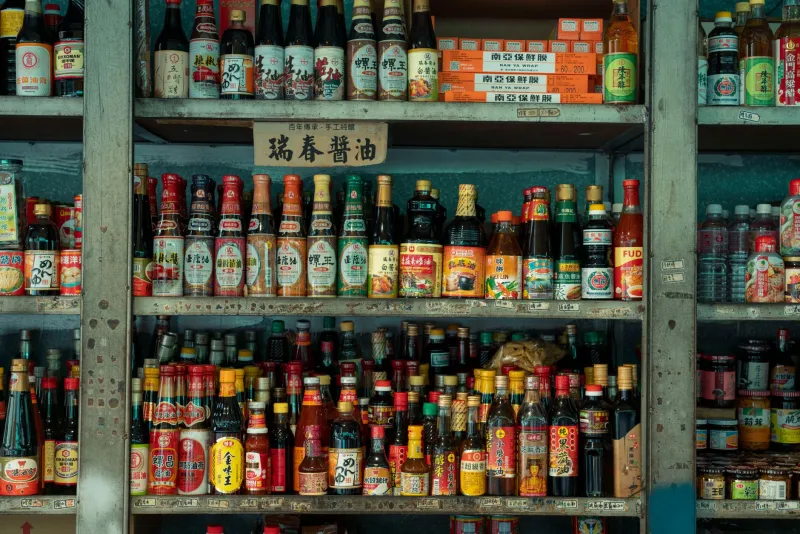
Global pantry staples as primary ingredients. This one is particularly interesting from a culinary culture standpoint. When the familiar anchors of American cooking were unavailable, people turned to whatever was on the shelf — and that often meant ingredients they'd bought speculatively or inherited from a recipe they'd tried once. Tahini, miso, coconut aminos, harissa, preserved lemons, dried chiles. These items, which might have sat in the back of the cabinet as supporting players, suddenly became the stars of the show. And cooks learned how to use them. Really use them — not just as a dash of something exotic, but as the foundational flavor of an entire dish.
Egg-forward cooking. Eggs, when available, became the protein backbone of countless meals during shortages of meat and canned goods. But rather than just scrambling them, home cooks started exploring the full range of what eggs can do: shakshuka, Japanese-style tamago gohan (rice topped with a raw egg and soy sauce), Korean gyeran-jjim (steamed egg custard), Turkish menemen. These dishes, drawn from global traditions where eggs are treated as a serious main-course ingredient rather than a breakfast afterthought, introduced American cooks to a completely different way of thinking about a food they'd always taken for granted.
What This Tells Us About the American Palate
The fact that so many of these crisis-born habits have stuck around isn't just a feel-good story about resilience. It's evidence of something more structural happening in how Americans relate to food.
For decades, the dominant model of American home cooking was built around convenience and consistency — the same reliable brands, the same shortcuts, the same narrow repertoire of weeknight meals. What the supply chain disruptions did, in a blunt and somewhat brutal way, was break that model. And in breaking it, they forced an encounter with a much wider world of ingredients, techniques, and flavor traditions.
Cooks who learned to make a pot of dried beans from scratch during a shortage didn't just learn a technique. They learned patience. They learned that food has texture and flavor dimensions they hadn't experienced before. And many of them, once they'd experienced that, found it hard to settle for less.
Similarly, the home cooks who discovered harissa or gochujang or miso as a primary flavor ingredient didn't just find a new condiment. They found a new vocabulary. And vocabulary, once learned, tends to get used.
The Permanent Shift
Food culture in the US has always been shaped by waves of influence — immigration, travel, economic pressure, cultural exchange. What's different about this particular moment is the speed at which a disruption translated into lasting behavioral change. Crisis cooking didn't just make people more resourceful in a pinch. It rewired how a meaningful segment of American home cooks thinks about ingredients, flavor, and what's possible in their own kitchens.
The pantry that got raided out of desperation became a laboratory. The substitution that worked became a preference. The dish that was invented on a Tuesday because there was nothing else became the thing people request at dinner parties.
That's not a crisis outcome. That's an upgrade. And it's one that no restocked shelf can take back.