Funk, Depth, and a Little Bit of Magic: Why Fermented Foods Are the Secret Weapon in American Home Kitchens
There's a moment every home cook eventually has. You follow a recipe to the letter — good ingredients, right technique, proper seasoning — and it still tastes like something's missing. A flatness. A gap between "fine" and "wow." More often than not, what's missing is depth. And increasingly, American cooks are finding that depth in the most unexpected places: a tub of miso from the Asian grocery aisle, a jar of kimchi from the back of the fridge, a block of tempeh that smells a little funky but tastes absolutely incredible once it hits a hot pan.
Fermentation is having a serious moment in the US, and it's not just a food media trend. Sales of fermented foods at American retailers have climbed steadily over the past decade, and grocery stores that once stocked a single brand of sauerkraut now dedicate entire refrigerated sections to kimchi, koji products, miso pastes, and live-culture hot sauces. But the real story isn't on grocery shelves — it's happening in home kitchens, where curious cooks are discovering that these ancient techniques add something that no spice blend or store-bought sauce can replicate.
What Fermentation Actually Does to Flavor
At its most basic, fermentation is a biological process where microorganisms — bacteria, yeasts, or molds — break down sugars and proteins in food. The byproducts of that process are what create flavor. Lactic acid gives yogurt and kimchi their tang. Glutamates produced during the fermentation of soybeans give miso and soy sauce that deep, savory quality we call umami. Esters created during yeast fermentation give beer and wine their fruity complexity.
The result is flavor that's layered in a way that's almost impossible to fake. Fermented ingredients don't just add one note to a dish — they add dozens simultaneously. Salty, sour, savory, funky, sometimes a little sweet. That's why a tablespoon of white miso whisked into a butter sauce can make it taste like it cooked for hours, or why a spoonful of kimchi juice brightens a bowl of fried rice in a way that plain vinegar never quite can.
Miso: The Japanese Pantry Staple That Belongs in Every American Kitchen
If there's one fermented ingredient that's made the most comfortable transition into American cooking, it's miso. Made from soybeans fermented with a mold called koji (and often mixed with rice or barley), miso has been a cornerstone of Japanese cuisine for over a thousand years. In the US, it's finally getting the versatility treatment it deserves.
White (shiro) miso is mild and slightly sweet — perfect for salad dressings, marinades, and compound butters. Red (aka) miso is more intense and salty, great for braising liquids, ramen broths, and glazes for roasted vegetables. Somewhere in between, you'll find yellow miso, which is arguably the most all-purpose variety for American palates.
The move that surprises most people? Adding miso to things that aren't remotely Japanese. Stir a teaspoon into your mac and cheese. Blend it into a caramel sauce. Rub it onto a pork shoulder before roasting. You won't taste "miso" so much as you'll taste a dish that suddenly has a backbone.
Kimchi: Korea's Gift to the Global Table
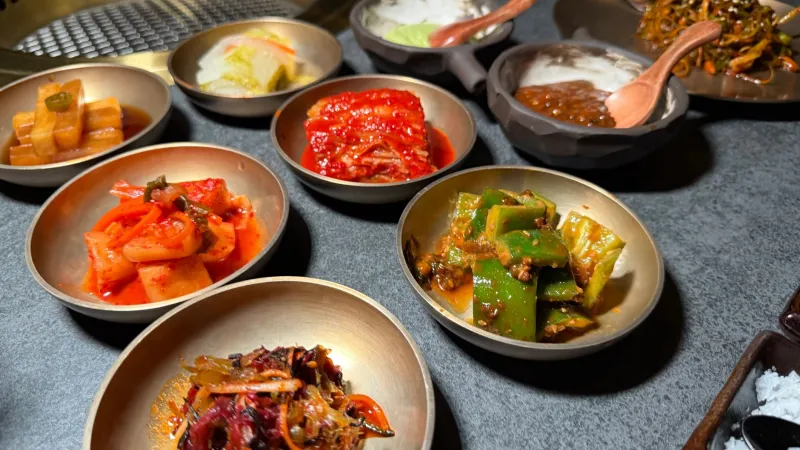
Kimchi has gone from a niche Korean grocery item to a genuine American pantry staple, and honestly, it's about time. This fermented vegetable dish — most commonly made with napa cabbage, gochugaru (Korean red pepper flakes), garlic, ginger, and salted shrimp or fish sauce — has been central to Korean food culture for centuries. Each region, and honestly each family, has its own version.
For American home cooks, the gateway is usually kimchi fried rice or kimchi quesadillas (don't knock it until you've tried it). But once you start cooking with it regularly, you realize kimchi works in almost anything that benefits from acidity and heat. Chop it into a grilled cheese. Stir it into deviled eggs. Use the juice as a pickle brine or a cocktail mixer.
Making your own kimchi at home sounds intimidating but is genuinely one of the more forgiving fermentation projects you can take on. All you need is cabbage, salt, and a paste of gochugaru, garlic, ginger, and a little sweetness. Pack it into a jar, leave it on your counter for one to five days depending on how sour you like it, then move it to the fridge. The bacteria do the rest.
Tempeh: The Fermented Soybean That Deserves Better PR
Tempeh doesn't get the same cultural moment that miso and kimchi have enjoyed, which is a shame, because it might be the most culinarily interesting of the three. Originating in Indonesia — where it's been eaten for at least several centuries — tempeh is made by fermenting cooked soybeans with a mold called Rhizopus oligosporus. The result is a firm, slightly nutty cake that holds together beautifully and absorbs marinades like a sponge.
Where tofu is often criticized for being bland, tempeh has a natural earthiness and a meatier texture that makes it genuinely satisfying as a protein. Slice it thin, marinate it in soy sauce, rice vinegar, and a little sesame oil, then pan-fry it until crispy. Crumble it into a taco filling with cumin and smoked paprika. Cube it and add it to a peanut sauce stir-fry. It plays well with bold flavors from virtually any culinary tradition.
Beyond Asia: Fermentation Has Roots Everywhere
It's worth noting that fermentation isn't exclusively an Asian story. Eastern Europe gave us sauerkraut and kvass. West Africa has dawadawa (fermented locust beans) and fermented shea butter. The Middle East has been fermenting dairy into labneh and aged cheeses for millennia. Even classic American condiments like Worcestershire sauce and hot sauce are fermented products.
The broader point is that virtually every food culture on earth discovered fermentation independently, because it worked. It preserved food through winters and dry seasons. It made nutrients more bioavailable. And it made things taste better in ways that people couldn't necessarily explain but absolutely recognized.
Starting Your Own Fermentation Journey
You don't need a lot of equipment or expertise to start experimenting at home. A few glass mason jars, some non-iodized salt, and a little patience will get you further than you'd expect. A simple brine ferment — cucumbers, garlic, and dill in a 2% salt solution — can be ready in three to five days and will taste nothing like store-bought pickles.
If you want to go deeper, a crock of kimchi or a batch of homemade miso (which takes months but rewards the wait) is a genuinely satisfying project. There are excellent books and online communities dedicated to home fermentation, and the learning curve is much gentler than most people assume.
The real reward, though, isn't the project itself. It's opening your fridge a week later, pulling out that jar of something you made, and tasting the difference. That complex, alive, deeply savory quality that no shortcut can replicate. That's the swaad — the flavor — that fermentation has been delivering to kitchens around the world for thousands of years. It's just finally making its way into yours.