Beyond Curry Powder: How Indian Masala Blends Are Quietly Taking Over American Kitchens
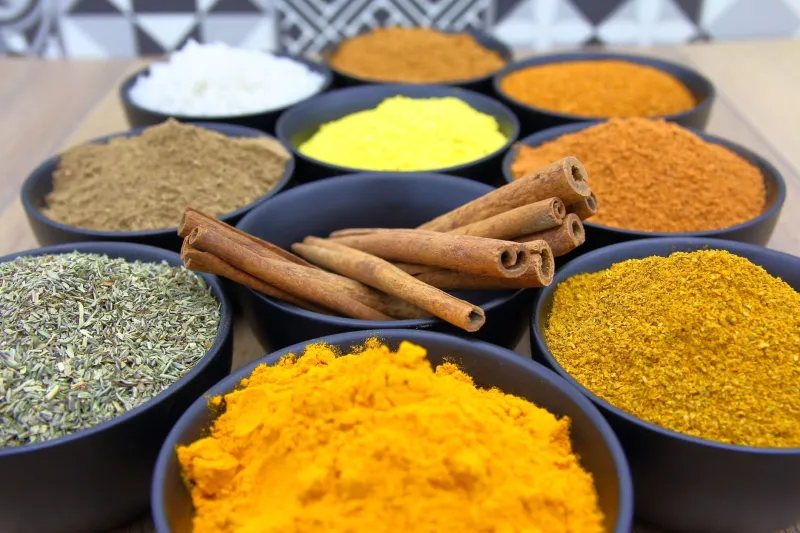
Walk into any well-stocked kitchen in America right now and you might notice something different on the spice rack. Tucked between the oregano and the smoked paprika, there's a good chance you'll spot a small jar of garam masala, a tin of chaat masala, or maybe even a hand-labeled blend of whole toasted spices that the home cook ground themselves last Sunday afternoon. Something is shifting in how Americans think about flavor — and Indian spice culture is right at the center of it.
This isn't just a trend driven by restaurant menus or food delivery apps. It's happening at the grassroots level, in home kitchens from Portland, Oregon to Nashville, Tennessee. And it all comes down to one concept that sits at the very heart of Indian cooking: swaad — the Hindi word for taste, flavor, and the deeply personal pursuit of getting a dish just right.
The Problem With That Single Jar of Curry Powder
For decades, "curry powder" was the shorthand American grocery stores used to represent the entire spectrum of Indian cuisine. It was convenient, sure. But it was also a massive oversimplification. Authentic Indian cooking doesn't really use a single, pre-mixed curry powder at all — that concept was largely a British colonial invention designed to make Indian flavors more "shelf-stable" for export.
Real Indian cooking is built on regional spice traditions that vary dramatically from state to state, dish to dish, and even family to family. A Tamil Nadu sambar uses a completely different spice profile than a Punjabi chole. A Keralan fish curry tastes nothing like a Hyderabadi biryani. The depth and nuance involved is extraordinary — and American home cooks are finally starting to discover that.
"People come in asking for curry powder, and I love that moment because it's an opportunity," says Priya Mehta, who runs a specialty spice shop in Chicago's Devon Avenue neighborhood, one of the city's most vibrant South Asian commercial strips. "I get to show them that what they're actually looking for is a whole world of options. Once they try grinding their own garam masala, they don't go back."
What Is Garam Masala — And Why Does Everyone Have a Different Recipe?
Garam masala is probably the most well-known Indian spice blend outside of India, but even this familiar name hides enormous complexity. The phrase literally translates to "warm spice mix," and the specific combination of spices varies widely by region and household. A North Indian garam masala might lean heavily on cinnamon, cloves, and black cardamom. A Bengali version could include dried rose petals and mace. Some families toast and grind the spices fresh for every batch; others keep a large jar going for weeks.
The beauty of this variability is that it invites experimentation. There's no single "correct" recipe — there's only the blend that tastes right to you.
A simple base garam masala to get you started:
- 2 tablespoons cumin seeds
- 2 tablespoons coriander seeds
- 1 tablespoon black peppercorns
- 1 teaspoon cardamom pods (seeds only)
- 4–5 whole cloves
- 1 small cinnamon stick
- 1 dried bay leaf
Toast these in a dry skillet over medium heat until fragrant, about 2–3 minutes. Let them cool completely, then grind in a spice grinder or high-powered blender. Store in an airtight jar for up to a month. The freshness compared to store-bought is genuinely remarkable.
Chaat Masala: The Secret Weapon You're Missing
If garam masala is the warm, rounded workhorse of Indian spice blends, chaat masala is its funky, bright, chaotic cousin — and it might be the most versatile ingredient you're not yet using.
Chaat masala gets its distinctive tangy-salty-spicy punch from a combination of amchur (dried mango powder), black salt (kala namak), cumin, coriander, and dried ginger. It's traditionally sprinkled over street food snacks like pani puri and samosas, but American cooks are discovering it works brilliantly on roasted vegetables, grilled corn, avocado toast, and even popcorn.
"I started putting chaat masala on my scrambled eggs and now I can't eat them any other way," admits food blogger and home cook Dana Kowalski from Austin, Texas. "It adds this savory, slightly sour kick that wakes everything up. My whole family is obsessed."
You can find chaat masala at most Indian grocery stores and increasingly at larger retailers like Whole Foods or online through retailers like Patel Brothers. But making your own gives you control over the salt level and heat.
How Swaad Thinking Changes the Way You Cook
Beyond specific blends, what Indian cooking really offers American home cooks is a philosophy of flavor. The concept of swaad isn't just about making food taste good — it's about understanding how different flavors interact, layer, and balance each other. Sweet, sour, salty, bitter, pungent, and astringent: Indian cuisine actively works with all six taste sensations in a single dish.
This approach can genuinely transform the way you approach everyday American cooking. Instead of just salting a pot of lentil soup, you might finish it with a tadka — a quick bloom of cumin seeds, mustard seeds, and dried chilies in hot oil poured over the top. Instead of reaching for garlic powder on roasted chicken, you could rub it with a blend of coriander, turmeric, ginger, and black pepper. The techniques are simple. The payoff is enormous.
Building Your Indian Spice Pantry Without Breaking the Bank
One of the biggest misconceptions about cooking with Indian spices is that it's expensive or complicated. In reality, a solid Indian spice pantry can be built gradually and affordably, especially if you shop at Indian grocery stores rather than the specialty aisle at a conventional supermarket.
Start with these ten essentials:
- Cumin seeds (whole and ground)
- Coriander seeds (whole and ground)
- Turmeric
- Kashmiri red chili powder (mild heat, beautiful color)
- Black mustard seeds
- Cardamom pods
- Garam masala (store-bought is fine to start)
- Chaat masala
- Amchur (dried mango powder)
- Asafoetida (hing) — a little goes a very long way
With these ten ingredients, you can make dozens of dishes spanning multiple Indian regional traditions — and start riffing on your own American favorites in ways you haven't imagined yet.
The Swaad Is in the Details
What's most exciting about this moment in American home cooking isn't just that people are discovering new spices. It's that they're discovering a new relationship with flavor — one that's more curious, more intentional, and more adventurous. Indian spice culture, with its centuries of accumulated wisdom about how to coax the most out of every ingredient, is a genuinely transformative entry point into that kind of cooking.
So the next time a recipe calls for "a pinch of curry powder," maybe skip the jar and reach for something a little more interesting. Your tastebuds — and your dinner guests — will thank you.