The Spices Your Family Always Used Tell a Story Much Bigger Than Dinner
My aunt makes a pot roast that shouldn't work. By every conventional American recipe standard, it's wrong — there's cinnamon in it, and allspice, and something faintly floral that I spent years trying to identify before I realized it was dried rosewater. Nobody in my family thought this was unusual. It was just how pot roast was made.
It wasn't until I started reading about the spice trade routes that connected the Ottoman Empire to the Mediterranean, and eventually to the waves of immigrants who carried those flavor traditions to American cities in the early 20th century, that I understood what I was actually eating. That pot roast was a document. It was a map.
Chances are, your family has something like this too.
Every Kitchen Is a History Archive
The way families cook — the specific spices they reach for, the combinations that feel instinctive, the flavors that taste like home — is rarely accidental. It's the accumulated result of where your people came from, what was available to them when they got here, and which culinary traditions survived the journey.
Food historians have documented this phenomenon for decades, but it tends to feel abstract until you apply it to your own kitchen. So let's make it personal.
Think about the dishes in your family that feel most "yours" — the ones tied to holidays, to grandparents, to specific memories. Now ask yourself: what makes them taste that way? Not the main ingredient, but the supporting cast. The spices. The aromatics. The techniques. Those details are your genealogical breadcrumbs.
The Routes That Shaped American Home Cooking
American home kitchens are a palimpsest — layers of culinary tradition written over each other, sometimes blending, sometimes staying stubbornly distinct. Understanding a few major trade and migration routes helps decode a lot of what shows up on American dinner tables.
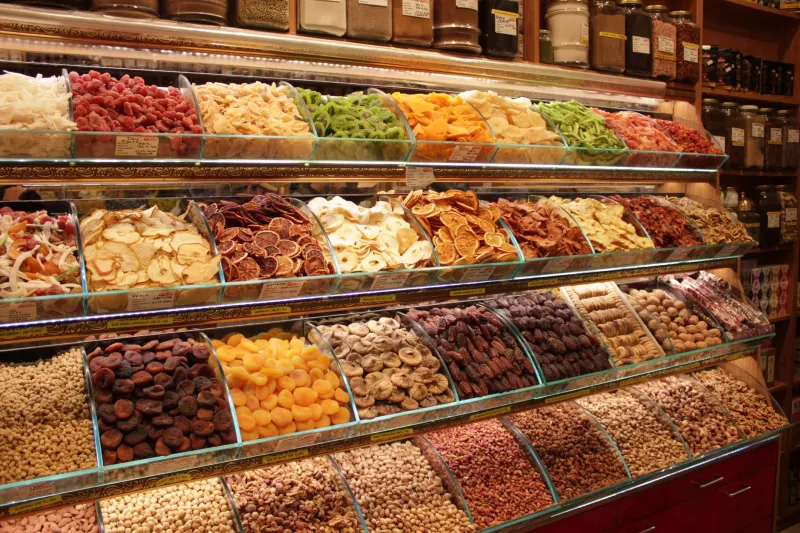
The Silk Road's Long Tail: The ancient network of trade routes connecting China, Central Asia, Persia, and the Mediterranean didn't just move silk — it moved spices, cooking techniques, and flavor philosophies. Cumin, coriander, cinnamon, and saffron all traveled these roads. Families with Persian, Armenian, Turkish, or broadly Middle Eastern heritage often carry spice patterns that trace directly back to Silk Road commerce. If your family uses warm spices — cinnamon, clove, allspice — in savory meat dishes, you're likely eating a Silk Road inheritance.
The Indian Ocean Trade Network: Long before European colonization reshaped global spice commerce, Arab, Indian, and East African traders had built a sophisticated maritime spice economy across the Indian Ocean. Cardamom, black pepper, turmeric, and fenugreek moved through this network for centuries. South Asian, East African, and many Middle Eastern cooking traditions carry this history in their spice cabinets — and when those communities immigrated to the US, they brought it with them.
The African Diaspora: The forced migration of enslaved Africans to the Americas carried culinary traditions that profoundly shaped American food, particularly in the South. West African cooking traditions — heavy on okra, black-eyed peas, rice, and specific spice combinations including grains of paradise and various peppers — merged with Indigenous and European ingredients to create the foundations of Southern cuisine. If you have Black American family roots in the South, your kitchen likely carries echoes of West African flavor logic, even if the specific ingredients have shifted over generations.
The Great Wave of European Immigration: Between roughly 1880 and 1920, millions of immigrants from Southern and Eastern Europe arrived in American cities, bringing deeply specific regional spice traditions. Italian-Americans brought the garlic-and-herb Mediterranean palette. Eastern European Jewish immigrants brought caraway, dill, and paprika. Polish, Czech, and Hungarian families brought poppy seeds and smoked spices. These traditions are now so embedded in American food culture that we often don't recognize them as immigrant inheritance at all.
Post-1965 Immigration Waves: The Immigration and Nationality Act of 1965 dramatically shifted the demographics of American immigration, opening the door to large-scale migration from Asia, Latin America, and Africa. The culinary result has been a second great wave of flavor diversity in American home kitchens — Chinese five-spice appearing in second-generation Chinese-American recipes, berbere spice blends in Ethiopian-American households, achiote in Cuban and Puerto Rican cooking traditions that have been in the US for generations.
How to Trace Your Own Flavor Family Tree
You don't need a history degree or a 23andMe kit to start mapping your family's culinary heritage. Here's a simple approach.
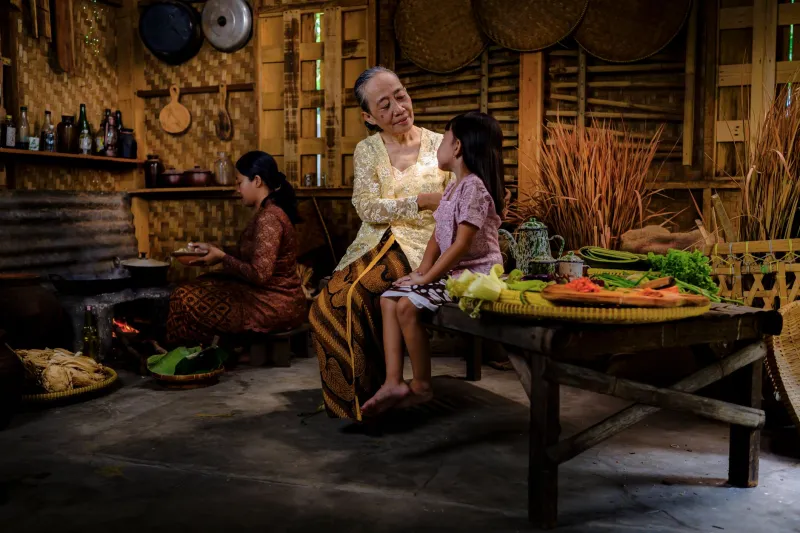
Start by collecting recipes. Not from cookbooks — from family. Ask older relatives to walk you through the dishes they learned from their parents. Write down not just ingredients but the specific brands they insist on, the techniques they describe as non-negotiable, and the dishes they associate with specific occasions. These details are data.
Look for the spice patterns. Once you have a handful of family recipes, look at the spices as a group. Are there warm spices (cinnamon, clove, allspice) in savory dishes? That often points to Middle Eastern, North African, or certain South Asian influences. Heavy use of dried herbs like oregano and thyme? Mediterranean. Caraway, dill, and paprika? Eastern European. Fresh chiles and dried chile-based sauces? Likely Latin American or Mexican. These aren't rigid categories, but they're useful starting points.
Research the geography. Once you've identified a rough spice signature, look up the historical trade routes and immigration patterns associated with that region. You'll often find that what felt like just "the way we cook" maps almost perfectly onto documented patterns of cultural movement and exchange.
Look for the substitutions. Some of the most interesting moments in culinary migration history are the places where a traditional ingredient wasn't available in the new country and cooks improvised. If your family uses a substitute that doesn't quite fit — annatto instead of saffron for color, for example, or dried herbs where fresh would be traditional — that substitution often marks the moment of immigration, the point where the original tradition had to adapt.
The Dish That Started This
I finally asked my aunt about the pot roast. She said her mother made it that way, and her mother's mother before that. When I told her the spice combination matched Syrian and Lebanese cooking traditions, she paused for a long moment.
"Well," she said, "we did have family that came over from somewhere over there, a long time ago. Nobody really talked about it."
A lot of American families have stories like that — culinary traditions that survived the crossing even when the context that created them got lost. The spices in your cabinet are a kind of memory, older and more durable than most. It's worth taking a moment to taste what they're actually saying.