Your Neighborhood Market Is Hiding Some of the Best Ingredients in the World — Here's How to Actually Use Them
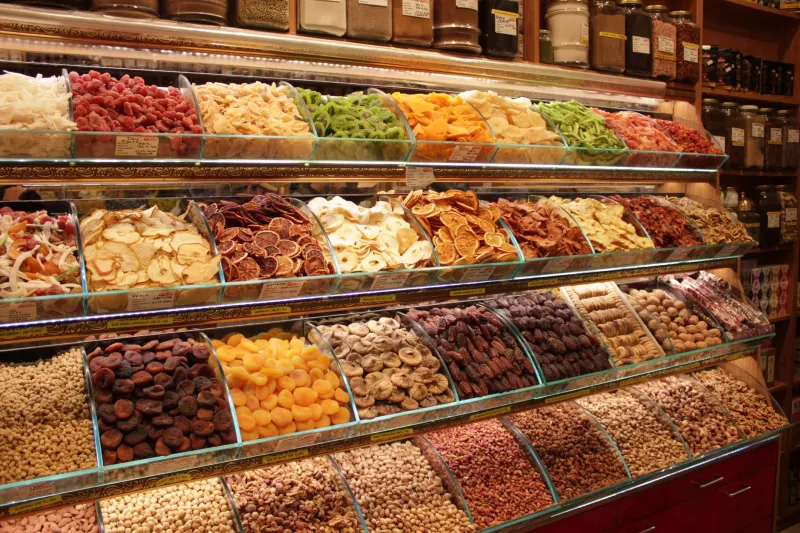
Let's be honest about something: most of us have walked into an Asian, Latin, Middle Eastern, or African grocery store, felt immediately overwhelmed by labels we couldn't read and products we didn't recognize, and left with nothing but a bag of jasmine rice and a feeling of mild defeat. It happens. The unfamiliarity is real, and nobody wants to spend $8 on a jar of something they end up never using.
But here's the flip side of that experience: those stores are full of ingredients that can genuinely transform your everyday cooking, and most of them are cheaper, fresher, and more flavorful than the "international" options at mainstream grocery chains. The gap between knowing that and actually doing something about it is mostly just information — and that's what this is for.
We're going to walk through some of the most approachable, genuinely useful finds across different types of markets, paired with concrete ways to use them. No obscure techniques required. Just good ingredients doing what good ingredients do.
Korean Grocery: Gochujang and Perilla Oil
Gochujang (fermented chile paste) has gotten a lot of mainstream attention lately, and for good reason — it's one of the most versatile condiments on the planet. Salty, slightly sweet, deeply savory, and moderately spicy, it adds a complexity to dishes that's hard to achieve any other way. Find it in the refrigerated section or in tubs near the sauces.
Use it: Whisk a tablespoon into your next marinade for chicken thighs or pork. Stir it into mayo for a sandwich spread that will ruin regular mayo for you. Add a small spoonful to a pot of chili for depth without obvious heat. Mix it with soy sauce, sesame oil, and a little honey for a dipping sauce that works on everything from dumplings to grilled vegetables.
Perilla oil is less well-known but worth seeking out. Pressed from roasted perilla seeds, it has a nutty, slightly herbal flavor that's completely unlike sesame oil. It's used as a finishing oil in Korean cooking, not for cooking over heat.
Use it: Drizzle over a bowl of plain rice with a little salt. Add a few drops to a miso soup just before serving. Use it anywhere you'd use a finishing olive oil but want something more interesting.
Mexican and Latin Markets: Dried Chiles and Piloncillo
A good Latin market will have a dried chile selection that makes the two options at a regular grocery store look embarrassing. Anchos, guajillos, pasillas, mulatos, chiles negros — each one brings something different to the table, and they're usually sold loose and inexpensively.
Use them: Toast dried chiles lightly in a dry pan, then soak in hot water for 20 minutes and blend into a paste. That paste is the base for a real enchilada sauce, a proper mole, or a braising liquid for beef or pork that will make your kitchen smell incredible. Start with ancho (mild, chocolatey, raisin-like) if you're new to this — it's forgiving and deeply flavorful.
Piloncillo is unrefined cane sugar pressed into cone shapes. It tastes like brown sugar's more interesting cousin — deeper, slightly molasses-forward, with a faint caramel note.
Use it: Substitute it for brown sugar in baked goods by grating it on a box grater. Use it to sweeten a pot of black beans. Make a simple syrup with it for cocktails or coffee drinks that need a little more soul than regular simple syrup provides.
Middle Eastern Markets: Pomegranate Molasses and Sumac
Pomegranate molasses is made by reducing pomegranate juice into a thick, tart syrup. It's tangy, slightly sweet, and has a fruity depth that makes it useful way beyond Persian or Lebanese cooking.
Use it: Add a tablespoon to a vinaigrette for a salad dressing that tastes like it came from a fancy restaurant. Use it as a glaze for roasted carrots or beets. Stir it into a cocktail with bourbon and a little orange bitters. Drizzle it over yogurt with walnuts for a dessert that takes about 90 seconds to assemble and tastes completely intentional.
Sumac is a ground berry with a tart, lemony flavor — bright without being sharp, fruity without being sweet. It's used across Middle Eastern and Mediterranean cooking as both a seasoning and a finishing spice.
Use it: Sprinkle over hummus (with olive oil and a little fresh parsley) for an instant upgrade. Use it as part of a dry rub for chicken or lamb. Add it to sliced onions with a little salt and olive oil for a quick condiment that cuts through rich, fatty dishes beautifully.
South Asian Markets: Curry Leaves and Tamarind Paste
Fresh or frozen curry leaves are one of those ingredients that simply cannot be replicated by any substitute, despite what some recipes suggest. They have a citrusy, slightly floral, savory aroma that blooms instantly in hot oil and perfumes everything in the pan.
Use them: Fry a small handful in oil or ghee at the beginning of cooking — they'll crackle and spit a little, so stand back — then add onions or garlic and build your dish from there. This technique, called tadka or tempering, is used across South Indian cooking and instantly elevates dal, chutneys, and vegetable dishes. Freeze extras flat in a zip-lock bag for months.
Tamarind paste (not the concentrate — look for the smoother, more diluted paste) is sour, fruity, and slightly sweet. It's used in everything from pad Thai to Worcestershire sauce to Indian chutneys.
Use it: Stir into a simple pan sauce for pork chops with a little brown sugar and fish sauce. Add to a marinade for shrimp. Mix with dates, cumin, and a pinch of cayenne for a tamarind chutney that takes ten minutes and pairs with anything fried.
The Bigger Picture
What all of these ingredients share is that they're doing something a single-note seasoning can't: they're adding layers. Tartness and sweetness at once. Heat and depth. Funk and brightness. The reason food from these culinary traditions often tastes so complex and satisfying is that the foundational ingredients themselves are already doing a lot of work.
The best way to get comfortable with a new market is to go in with one or two items in mind, buy small quantities, and actually use them that week before they migrate to the back of your cabinet. Start with gochujang or pomegranate molasses — both are nearly impossible to use wrong — and let the rest follow naturally.
Your neighborhood market has been waiting to show you this stuff. It just needed someone to make the introduction.