Remix Culture, Reimagined: How Second-Gen Cooks Are Writing New Chapters in Their Family's Recipe Books
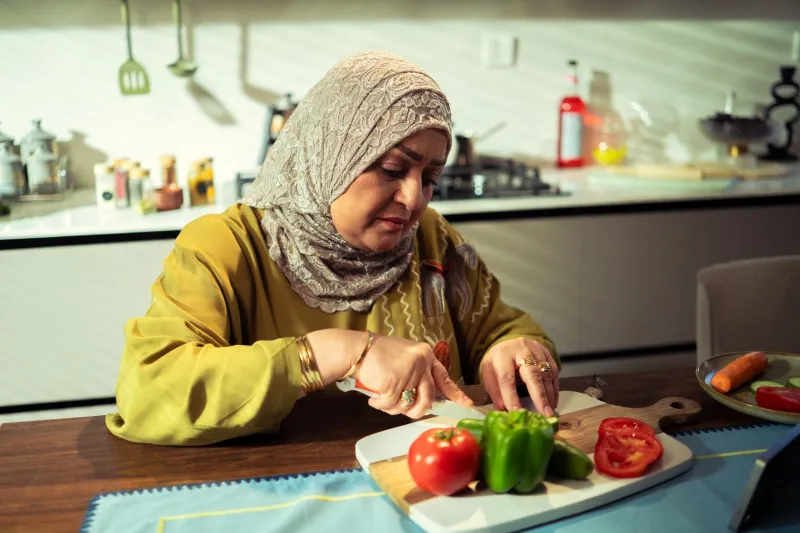
There's a particular kind of pressure that comes with cooking your grandmother's recipes. Not the technique pressure — though that's real — but the fidelity pressure. The sense that the dish carries something beyond flavor, something that should be preserved exactly as it was handed down, and that any deviation is a small act of disrespect.
A lot of second and third-generation immigrant cooks in America have grown up navigating that tension. And increasingly, they're resolving it in a way that's less about choosing between cultures and more about doing something genuinely new with both.
The Kitchen as a Negotiation Table
Nadia Osei grew up in Atlanta, the daughter of Ghanaian immigrants who ran a tight kitchen where recipes were treated almost as sacred text. The jollof rice her mother made was not a starting point for experimentation — it was the destination. "There was a right way," Nadia says, laughing. "And then there was every wrong way."
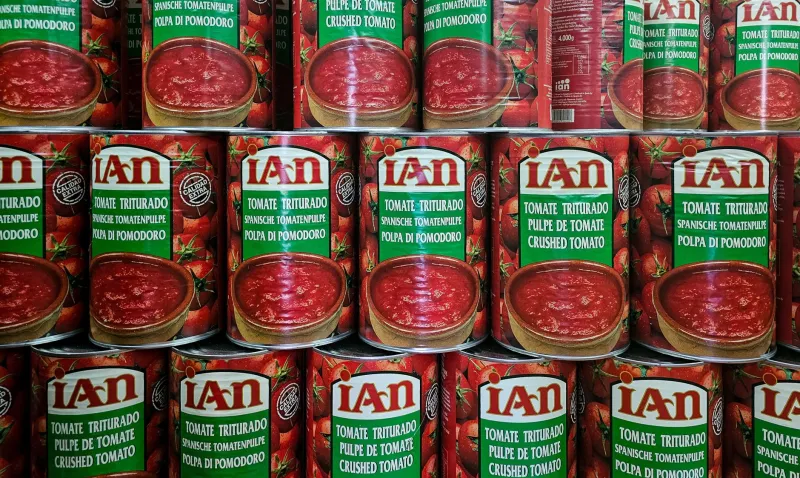
But when Nadia started cooking for herself in her twenties, she found herself gravitating toward a version that swapped in fire-roasted tomatoes from a can (a staple of her Georgia pantry) for the fresh tomatoes her mother always used, and finished the rice with a small handful of smoked paprika that she'd started keeping around for other things. The result tasted different. Not wrong, exactly. Just hers.
"My mom tried it and was quiet for a long time," Nadia says. "Then she said it was interesting. Which, coming from her, is basically a standing ovation."
This kind of quiet, low-stakes experimentation is happening in home kitchens all over the country — in apartments in Queens and bungalows in Houston and townhouses in the Bay Area, wherever people are cooking food that was born somewhere else and trying to figure out what it becomes when it grows up here.
Adaptation Has Always Been the Story
It's worth stepping back to acknowledge something that food historians have been pointing out for a while: the idea of a "pure" or "unchanged" culinary tradition is mostly a myth. The dishes that get treated as sacred originals were themselves the result of earlier adaptations — ingredients introduced through trade, techniques borrowed from neighboring cultures, substitutions made out of necessity during hard times.
The tomato, now considered essential to Italian cooking, wasn't in Italy until the 16th century. Chili peppers, central to Thai and Korean and Indian cuisines alike, are native to the Americas and arrived in Asia via Portuguese traders. Every food culture is, at its core, a record of contact and exchange and creative response to new circumstances.
Second-generation cooks in America are just the latest chapter in that long story. The circumstances are different — it's less about trade routes and more about what's at the farmers market in October — but the underlying dynamic is the same.
When American Ingredients Change the Conversation
One of the most interesting things about diaspora cooking in the US is how American ingredients and food culture have started to actively shape the results in ways that go beyond simple substitution.
Kai Nguyen, a Vietnamese-American cook based in Portland, Oregon, has been developing a version of his family's bún bò Huế — a spicy, lemongrass-heavy beef noodle soup from central Vietnam — that incorporates locally sourced beef bones from a farm outside the city and a finishing drizzle of a local chili oil he makes using Oregon-grown Fresno peppers. The base of the dish is completely traditional. The sourcing and some of the finishing details are distinctly Pacific Northwest.
"My parents think I'm overthinking it," Kai says. "But when I make it with those local bones, the broth has this different kind of depth. It's not better or worse than the original — it's just from here. It's mine."
This kind of place-specific adaptation — using what's genuinely excellent in your local food environment to honor a dish rather than just replicate it — is a form of creativity that takes real confidence. It requires knowing the original well enough to know what you can touch and what you can't.
The Controversy Is Real (and Kind of the Point)
Not everyone in diaspora communities is enthusiastic about these kinds of creative liberties. Social media has made these conversations both more visible and more heated — a TikTok video of someone making "Korean-inspired" tacos or a "Punjabi-style" chili can generate genuine community debate about authenticity, ownership, and respect.
Some of that friction is worth taking seriously. There's a meaningful difference between a second-generation Korean-American cook reworking their grandmother's doenjang jjigae with local ingredients and a non-Korean food blogger calling their miso-and-gochujang soup "Korean fusion." Context and relationship to a culinary tradition matter.
But within communities, the debates about adaptation are often a sign of how much people care — and how alive the tradition still is. A food culture that nobody argues about is probably a food culture that nobody's actually cooking anymore.
Jasmine Patel, a third-generation Indian-American pastry chef in Chicago, has been making mithai — traditional Indian sweets — using American dairy and incorporating flavors like bourbon and black walnut alongside the cardamom and rose water her great-grandmother would have used. She's been called both a visionary and a sellout, sometimes by the same people.
"I grew up eating these sweets at Diwali and I love them," she says. "I also grew up in Illinois. Both of those things are true at the same time. My food reflects that. I'm not trying to erase anything — I'm adding to it."
Why This Matters Beyond the Kitchen
There's something genuinely significant happening in these kitchens that goes beyond food trends. Second and third-generation immigrant cooks aren't just adapting recipes — they're working out, in a very concrete and sensory way, what it means to carry multiple identities at once. The food becomes a space where that negotiation can happen without anyone having to win.
And for the rest of us eating at their tables, the food that comes out of this process tends to be startlingly good. It has the depth that comes from tradition and the energy that comes from genuine creative investment. It tastes like something that couldn't have come from anywhere else — which is exactly what the best food always does.
If you want to explore this world, start by following second-gen food creators on Instagram and YouTube. Eat at restaurants run by immigrant families where the next generation has taken over the kitchen. And if you have your own family recipes, consider what it might mean to add your own chapter — not to replace what came before, but to keep the story going.