The Real Test Kitchens: Inside the Garage Dinners and Church Basements Where America's Next Big Flavors Are Born
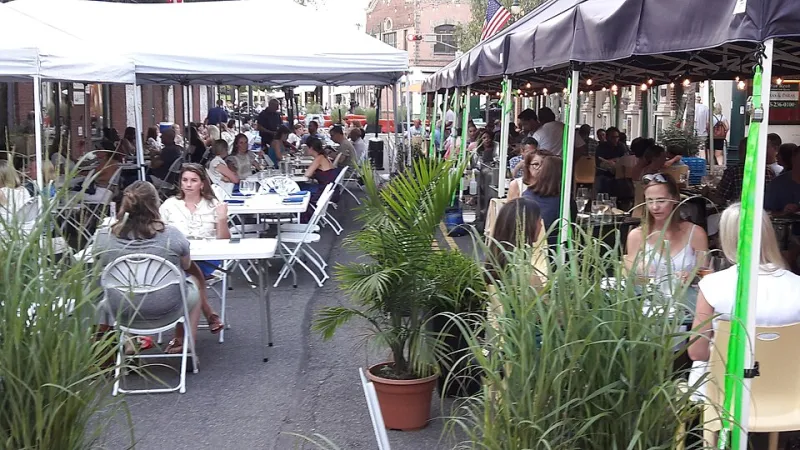
Photo: Tomwsulcer, CC0, via Wikimedia Commons
The best meal I ate last year cost twelve dollars, and it was served on a folding table in a stranger's driveway in Sacramento.
It was a birria ramen — the Mexican slow-braised beef and consommé collided with Japanese noodles — made by a guy who works in insurance by day and runs a weekend pop-up out of his garage by night. There were forty people there, most of whom found him through a neighborhood group chat. There was no liquor license, no health inspector, no menu engineering. There was just food that nobody was serving anywhere else in the city.
If you've eaten at an American restaurant in the last decade, you've already tasted the downstream effects of scenes like this. Korean tacos. Nashville hot everything. Birria itself going from Jalisco street food to taco shop phenomenon to ramen topping. These ideas don't start in corporate test kitchens. They start in home kitchens, where a cook with two food traditions in their blood — or two cuisines in their grocery cart — starts asking "what if?"
Why the Garage Beats the Restaurant
Restaurants are conservative by necessity. Rent is brutal, margins are thin, and a chef betting the menu on a Filipino-Karelian fusion dish might lose the building. A home cook running a monthly pop-up risks, at most, some leftover ingredients and a little pride.
That freedom shows up on the plate. In these spaces:
- Family recipes get remixed out loud. A second-generation cook can serve grandma's dish with one foot in each culture without a customer sending it back.
- Dishes iterate fast. A restaurant might change the menu quarterly. A supper club changes the menu between the first seating and the second if the first batch of sauce reads flat.
- The feedback is honest. When your aunties and your neighbors are the customers, nobody's pretending. If it's too salty, you'll hear about it before the plates are cleared.
Three Kinds of Kitchens to Know
The church basement. The original American pop-up, and still the most underrated. Congregations have been running fundraising food events for generations — Ethiopian coffee ceremonies in Washington D.C., Lao noodle days in Minnesota, pierogi sales in Pittsburgh. These events are often the most authentic versions of a cuisine you'll find in your metro area, and the money usually goes right back into the community.
The group-chat supper club. This is the new wave. A cook announces twelve seats on Instagram or WhatsApp, charges a flat fee or asks for donations, and converts a dining room into a one-night restaurant. Menus might be Burmese, Georgian, Oaxacan, or some combination no one has named yet.
The cultural-center kitchen. Community centers, mosques, temples, and gurdwaras regularly open their kitchens to the public. A langar meal at a gurdwara — free, vegetarian, open to absolutely everyone — is one of the most quietly radical dining experiences in America.
How to Find One (Or Become One)
Finding your local scene takes a little digging, but the map is out there:
- Search Instagram by your city plus the dish. "[Your city] pop-up," "[city] supper club," or a specific cuisine works better than any restaurant app.
- Ask at the ethnic grocery store. The same shops that stock your pantry are where flyers for community food events get posted. Ask the person at the register — they know everything.
- Show up to the fundraiser. Church and temple food events are listed in community bulletins and library boards, rarely online.
- Bring cash and patience. These operations run on goodwill. Eat, compliment loudly, tip generously, tell your friends.
And if you want to start one? The bar is lower than you think. Pick a dish you make better than anyone you know. Invite ten people. Charge enough to cover ingredients. Cook the thing you actually eat at home. The whole underground food economy runs on exactly that.
The folding-table scene won't stay underground forever — it never does. The garage birria guy already has a brick-and-mortar lease in the works. But right now, before the write-ups and the waitlists, is when the food is at its most honest. And it's probably happening within a fifteen-minute drive of your house.